Recent Posts
Chana Pulao (Instant Pot)
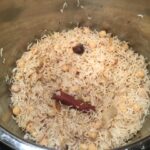
Chana Pulao (Instant Pot)
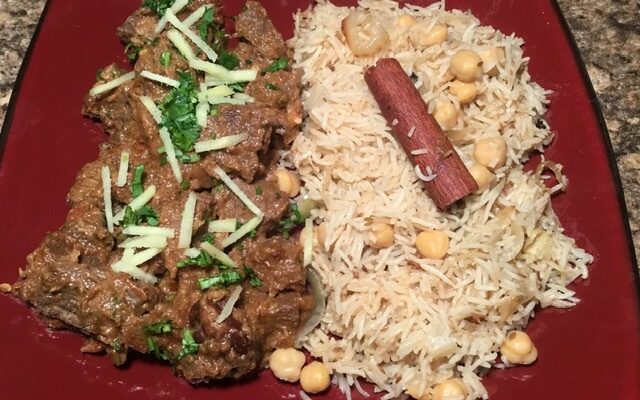
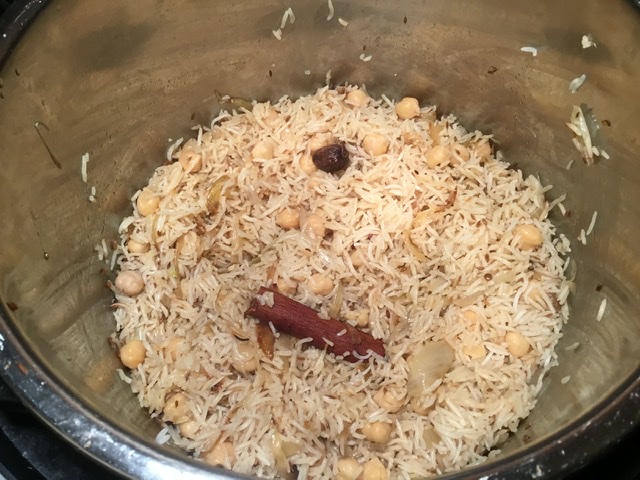
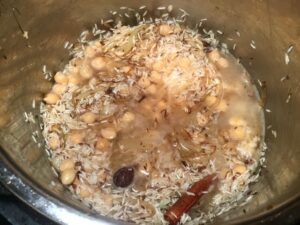
Chana pulao is a great South Asian side dish of basmati rice, chickpeas, and aromatics. I prepared this dish in my Instant Pot since it cuts the cooking time in half while getting the same results if you were to prepare on the stove top. I personally like to eat the leftovers the next morning topped with a couple of fried eggs.
Equipment
- instant pot
Ingredients
- 2 cups basmati rice rinsed
- 1 can chickpeas
- 1 medium white onion sliced
- 1 tbsp cumin seeds
- 1 tbsp salt
- 6 whole cloves
- 2 black cardamom
- 1 cinnamon stick
- 1/4 cup vegetable oil
- 2 cups water
Instructions
- Turn the Instant Pot function to sauté over medium heat. Sauté the onions and cumin seeds for 10 minutes.
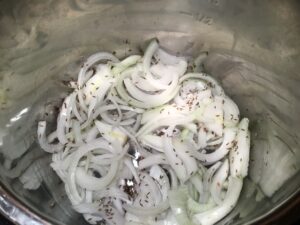
- Add in the cardamom, cloves, and cinnamon stick. Sauté for 1 minute.
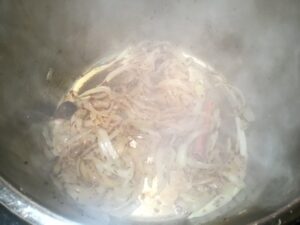
- Stir in the rice. Sauté for 3 minutes.
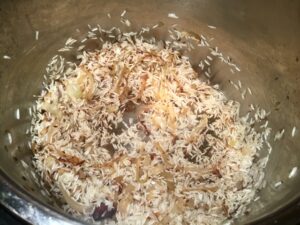
- Pour in the water. Season with salt. Turn the Instant Pot function to pressure cook on high for 4 minutes. Place the cover on and push start.
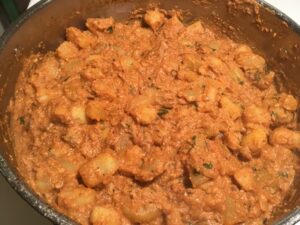
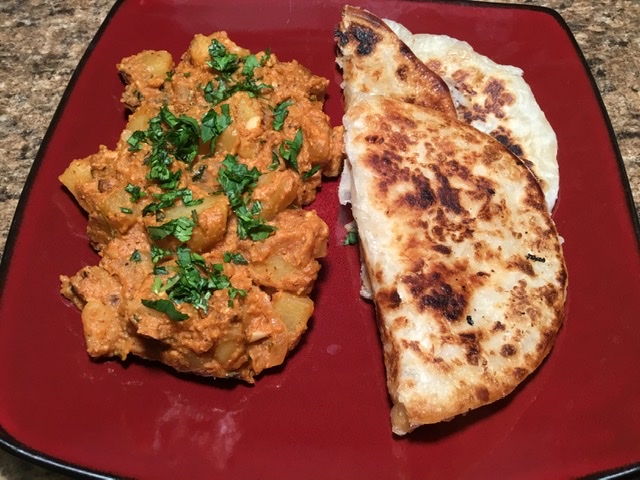
Kashmiri Dum Aloo
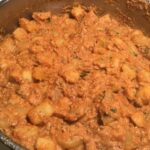
Kashmiri Dum Aloo
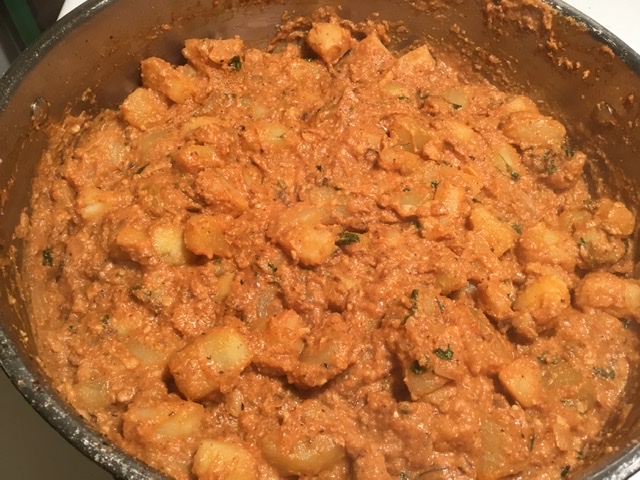
Kashmiri dum aloo is a Northern Indian dish consisting of fried potatoes in a creamy, nutty, curry gravy. You can eat these potatoes as a side dish or a main course; best served with a side of naan or parathas. If you want a less starchy dish, you can substitute the potatoes with cauliflower (gobi aloo).
Equipment
- immersion blender
Ingredients
- 2 lbs potatoes peeled and cubed
- 2 oz cashews
- 6 tbsp vegetable oil
- 1 medium white onion finely chopped
- 4 garlic cloves minced
- 1” ginger peeled and minced
- 1/2 cup Greek yogurt
- 1 1/2 tsp Kashmiri chili powder
- 1 tsp fennel seeds ground
- 1 tsp dried fenugreek leaves
- 1/2 tsp cumin seeds ground
- 2 tbsp tomato paste
- 1/2 cup water
- 1/2 tsp ground cardamom
- salt to taste
Garnish
- cilantro finely chopped
Instructions
- Soak the cashews in warm water for 20 minutes.
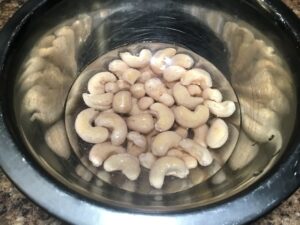
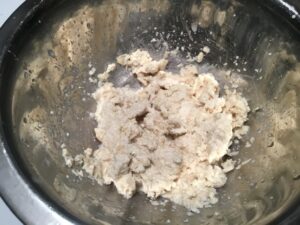
- Drain the water, saving a couple of tbsps. Using an immersion blender, turn the cashews into a paste. Set aside.
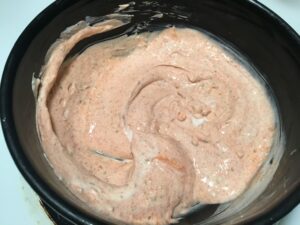
- Mix together the yogurt, chili powder, fennel powder, and ground cumin. Set aside.
- Boil the potatoes in salted water for 8 minutes until they are al dente. Drain.
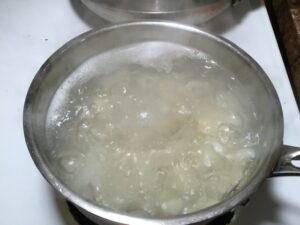
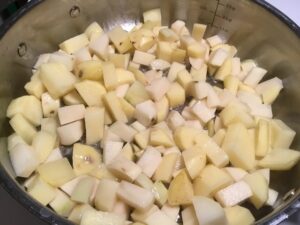
- Heat up 3 tbsp of vegetable oil in a large sauté pan over medium high heat. Sauté the potatoes for 4-5 minutes until crispy. Remove from the pan and set aside.
- Heat up 3 tbsp of cooking oil in the same pan. Sauté the onions for 5 minutes.
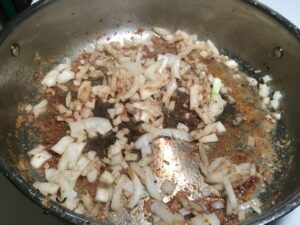
- Add in the ginger and garlic. Sauté for 2 minutes.
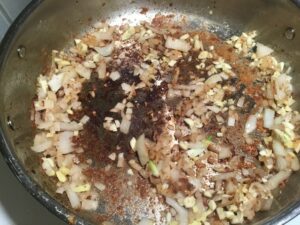
- Turn the heat to medium low. Stir in the spiced yogurt. Cook for 1 minute.
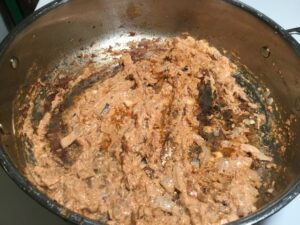
- Stir in the cashew paste. Cook for 2 minutes.
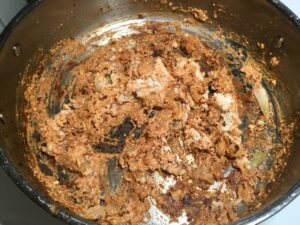
- Stir in the tomato paste. Cook for 2 minutes.
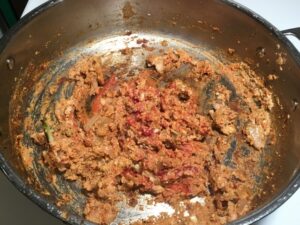
- Add in the potatoes, salt, fenugreek leaves, and water. Bring to a boil. Cover and simmer for 10 minutes until the potatoes are cooked through.
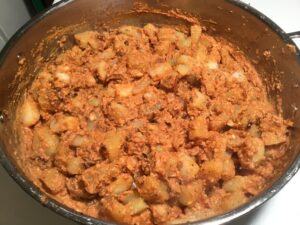
- Turn off the heat. Sprinkle with ground cardamom.
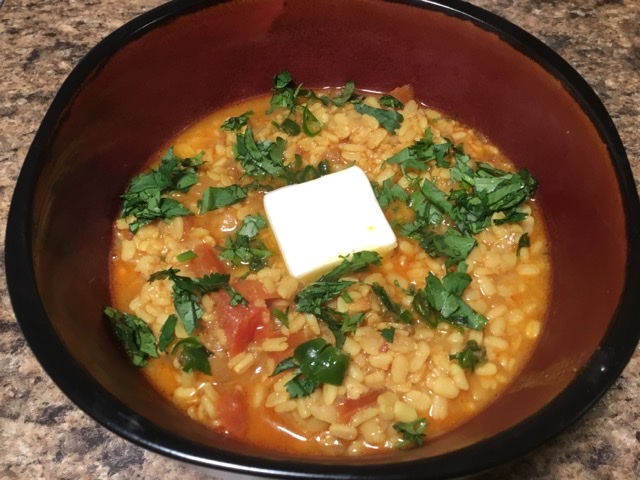
Mash Ki Daal
Mash Ki Daal
Mash ki daal is a lesser known daal eaten in Pakistani households. The particular daal used in this recipe is urid daal, which are split white maape beans. The daal is soaked then simmered with a tomato/onion/garlic masala. This type of daal is best garnished with green chilies, cilantro, and a knob of butter(omit if you want to keep this vegan); served with chapati to scoop up the lentils.
Ingredients
- 1/4 cup vegetable oil
- 1 medium onion finely chopped
- 5 garlic cloves minced
- 1” ginger minced
- 2 roma tomatoes
- 1 tsp salt
- 1/2 tsp Kashmiri chili powder
- 1 1/2 tsp ground coriander
- 1 1/2 tsp ground cumin
- 1 tsp cumin seeds
- 1/2 tsp turmeric
- 1 cup urid lentils soaked for 1 hour
- 2 cups water
Garnish
- green chilies finely chopped
- cilantro chopped
- butter optional
Instructions
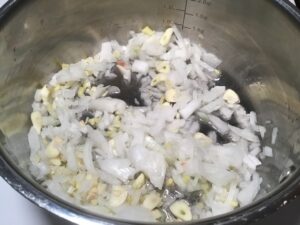
- Heat up cooking oil in a pot over high heat. Sauté the onions, garlic, and ginger for 5 minutes.
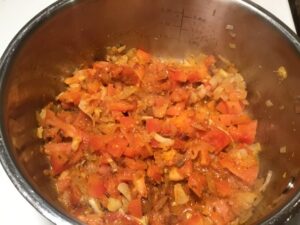
- Add in the tomatoes and all of the seasonings. Sauté for 10 minutes until the tomatoes have completely cooked down. Add a couple splashes of water to help the process.
- Pour in the water and urid lentils. Bring to a boil. Cover. Reduce the heat to low. Simmer for 25 minutes.
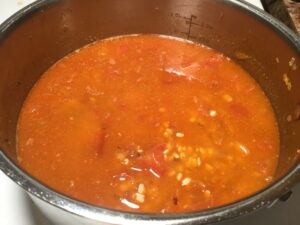
- Adjust the salt to your liking. If the dal is too thick, add a little more water.