Tag: East Asian
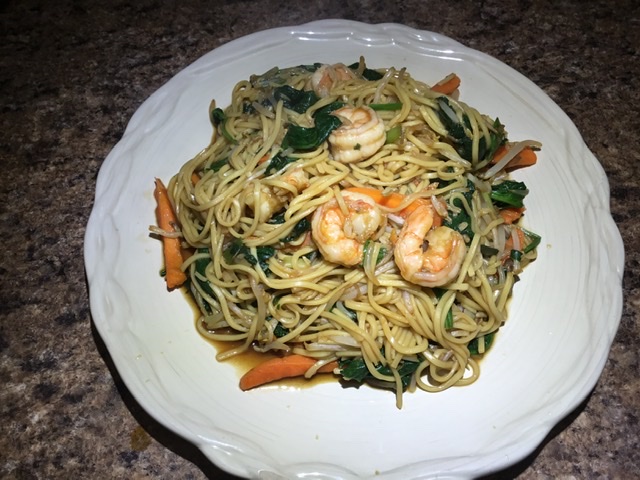
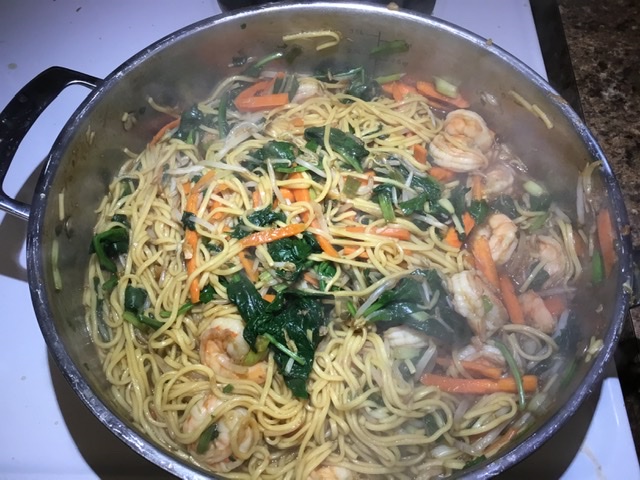
Shrimp Chow Mein
Shrimp Chow Mein
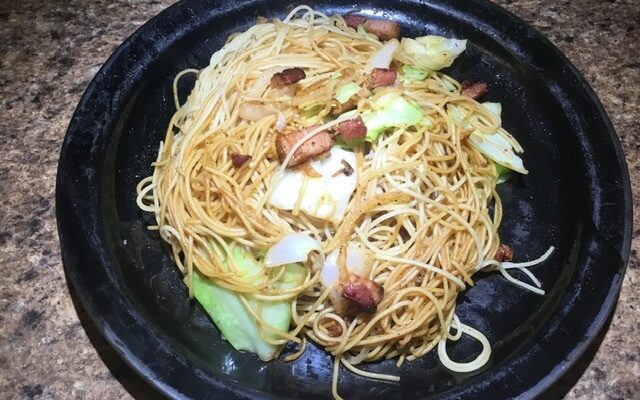
The words “chow mein” has multiple meanings across the world. Chow mein can be found in Australian, Brazilian, Canadian, Caribbean, Indian, Mexican, Nepalese, Peruvian, and obviously the U.S. cuisines with Chinese influences. If you live in Minnesota, chow mein to us means a celery gravy with ground pork served over steamed rice with crispy fried noodles. It couldn’t be farther from what real chow mein is.Chow mein means stir fried noodles in Cantonese, a southern Chinese dialect. Traditionally, Chinese egg noodles are stir fried with an assortment of vegetables and sometimes meat or tofu, tossed with a light soy based sauce. In Minnesota, we call this lo mein (but in actuality, this is closer to real chow mein). Regardless of what your interpretation of chow mein is, this recipe is extremely easy to prepare and takes only 10 minutes to cook. It’s fairly healthy as well. The nice thing about this recipe is that the vegetables and protein are interchangeable. It’s ultimately about the noodle, anyways.
Ingredients
Sauce
- 1/4 cup chicken stock
- 2 tbsp oyster sauce
- 2 tbsp shaoxing cooking wine
- 2 tsp light soy sauce
- 2 tsp dark soy sauce
- 2 tsp sesame oil
- 1/4 tsp white pepper
Stir Fry
- 2 tbsp vegetable oil
- 1 tbsp ginger minced
- 1 large carrot julienned
- 20 16/20 ct shrimp peeled and deveined
- 8 oz dried Chinese egg noodles prepared according to directions
- 2 cups bean sprouts
- 6 green onion chopped
- 2 cups spinach stems removed
Instructions
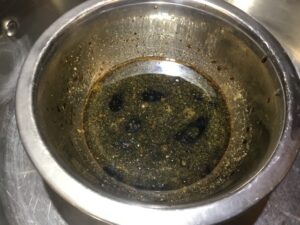
- Mix all of the sauce ingredients together. Set aside.
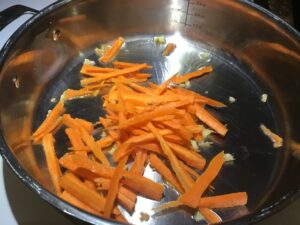
- Heat up cooking oil in a large sauté pan or wok over high heat until the oil is almost smoking. Sauté the ginger and carrots for a minute.
- Add in the shrimp. Cook for a minute a side.
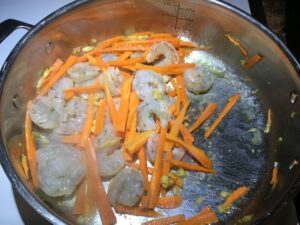
- Add in the sauce. Coat the shrimp in it. Then add in the noodles. Cook for 2 minutes.
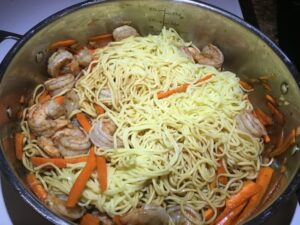
- Add in the bean sprouts and green onions. Cook for 2 more minutes.
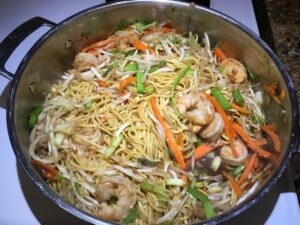
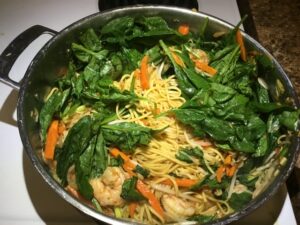
- Add in the spinach. Cook for 2-3 minutes until it is wilted.
Cheese Buldak (Korean Fire Chicken)

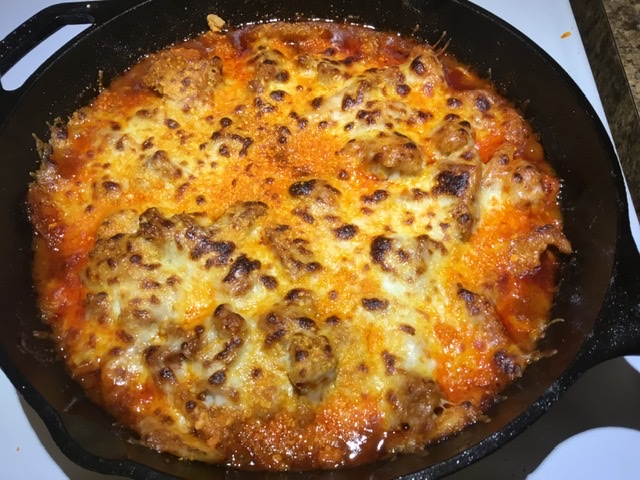
Cheese Buldak (Korean Fire Chicken)
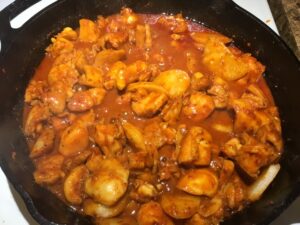
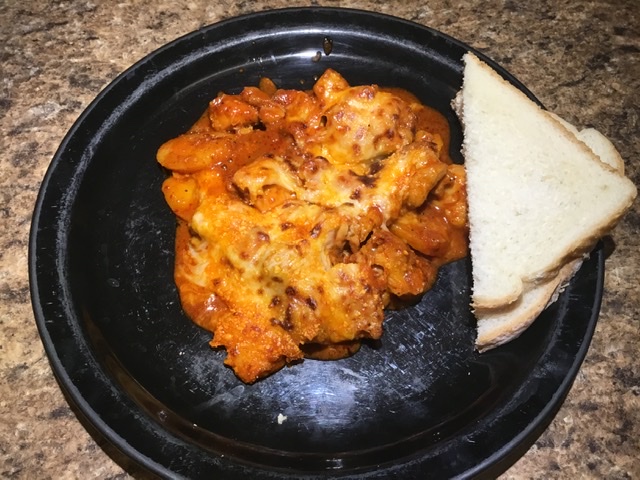
If you were to try this without anybody telling you what it was, you wouldn’t guess that this was Korean. You’d think that it was some type of Italian chicken pizza hotdish. I must say that I was surprised how “normal” tasting this dish is. You don’t think of cheese working with any type of Asian cuisine, except for Korean. Somehow adding the mozzarella balances out all of the flavors happening in the skillet. This dish is so good that you won’t want to share it. Then you end up eating a pound of chicken and a cup of cheese all at once. Maybe smoke a bowl after instead of before? The sauce is really just the typical mix of gochugaru and gochujang, hence the “fire” in the name. The sauce is mixed with the chicken. You can use either breast or thigh for the chicken. Using a cast iron pan is the best option for making the cheese buldak, since you need to broil the top. First, sauté the rice cakes for a couple of minutes. Remove them from the pan. Add the chicken and water to the pan. Cover and cook for 6 minutes, giving it a few stirs. Add the rice cakes, cover, and cook for another 5 minutes. Top with mozzarella cheese and broil for no more than 2 minutes. You can serve this as is with either bread or steamed rice to soak up the sauce.
Servings: 2
Equipment
- cast iron pan
Ingredients
- 1 tbsp vegetable oil
- 1 lb boneless skinless chicken thighs cut into 1” pieces
- 1 cup mochi rice cakes
- 1/4 cup water
- 1/4 tsp salt
- 1 cup mozzarella cheese
Sauce
- 1/4 cup gochugaru pepper flakes
- 2 tbsp gochujang
- 4 garlic cloves minced
- 3 tbsp sugar
- 2 tbsp vegetable oil
- 1 tsp soy sauce
- 1 tsp ginger minced
- 1/4 tsp black pepper
Instructions
- Mix together the sauce ingredients.
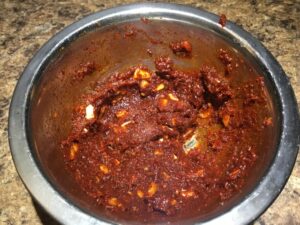
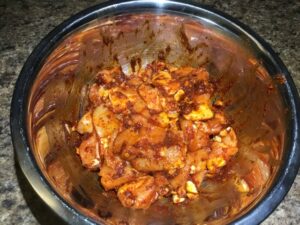
- Add the sauce to the chicken; making sure that all of the pieces are evenly coated.
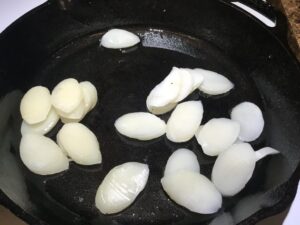
- Heat up 1 tbsp of cooking oil in a cast iron skillet over medium high heat. Add in the rice cakes and sauté for 4 minutes. Remove from the pan.
- Add the chicken to the pan along with salt and water. Cover and cook for 6 minutes, giving the chicken an occasional stir.
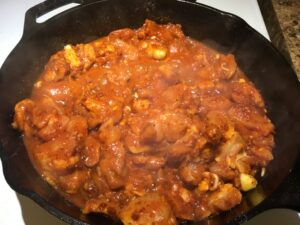
- Add in the rice cakes. Cover. Reduce the heat to medium low and cook for 5 minutes.
- Turn on your oven’s broiler. Place the rack to the middle of the oven. Top the chicken with mozzarella cheese. Place under the broiler.
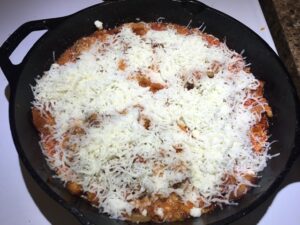
- Broil for just 2 minutes or until the cheese is bubbly.

Tempura Soba
Tempura Soba
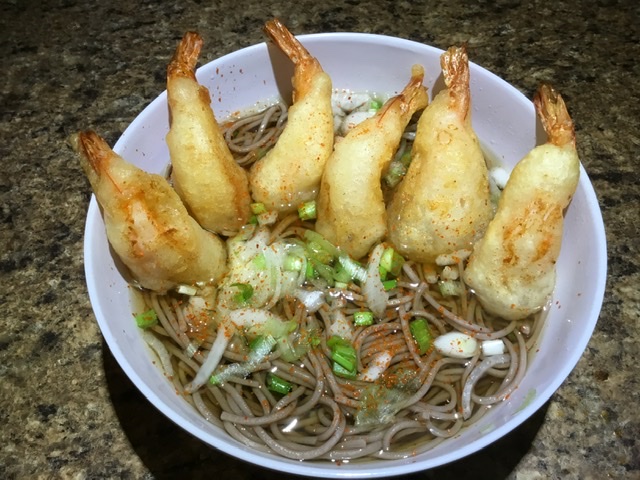
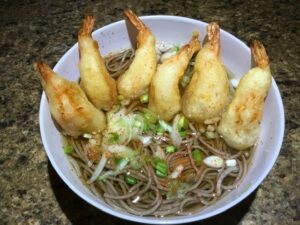
Tempura soba is a hot soba noodle soup with fried tempura shrimp over the top. Making this soup is extremely easy. The dashi stock just needs heating up. Prepare the soba noodles according to the package. Ladle the stock over the noodles. Top with lots of spring onions. The only real effort is making the tempura shrimp, and that is fairly simple. If you don’t like shrimp, you can substitute tempura chicken, mushrooms, green beans, tofu, etc. Sprinkle some togarashi pepper powder over the top. It kind of gives a numbing feeling, similar to Sichuan peppercorns.
Servings: 2
Ingredients
- 4 cups dashi stock
- 3 tbsp mirin
- 2 tbsp soy sauce
- 2 tbsp sake
- 1/2 tsp salt
- 2 portions soba noodles prepared according to package
- 3 spring onions chopped
- 12 tempura shrimp
- togarashi pepper powder to taste
Instructions
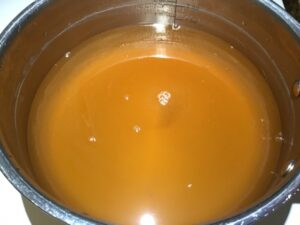
- Bring the dashi, mirin, soy sauce, sake, and salt to a boil.
- Place 1 portion of cooked soba noodles in a soup bowl.
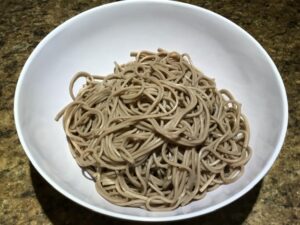
- Ladle in 2 cups of stock. Top with spring onions. Place 6 tempura shrimp over the stop. Shake on togarashi pepper powder.
Shrimp Tempura
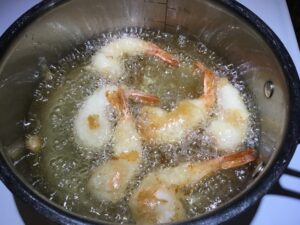
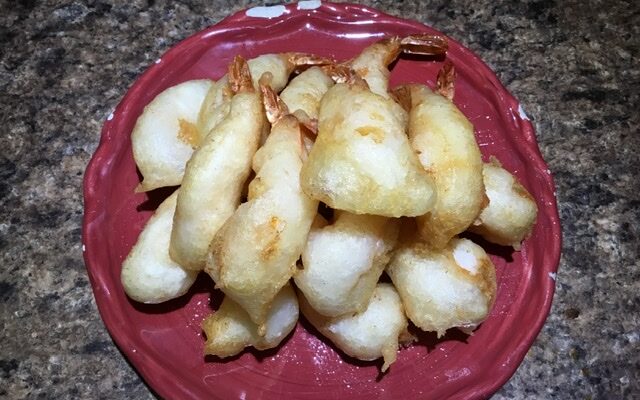
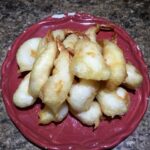
Tempura is one of the most famous Japanese food items outside of Japan. The batter is light and crispy without absorbing excess oil. Shrimp is one of the most popular ingredients to fry in tempura batter. Like all tempura frying ingredients, the shrimp need to be pat dry before dipping in the batter. They will only take a total of 6 minutes. Drain oil on a rack instead of paper towels to maintain the crispiness.
Servings: 2
Ingredients
- 1/2 lb 26/30 count shrimp tail on; peeled and deveined
- 1/2 cup cake flour
- 1/2 tsp baking powder
- 1/8 tsp salt
- 1/2 cup ice water
- vegetable oil for frying
Instructions
- Mix together all of the dry ingredients.
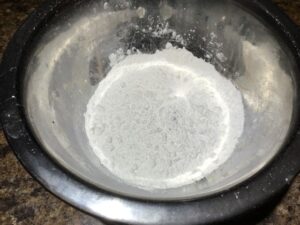
- Mix in the water.
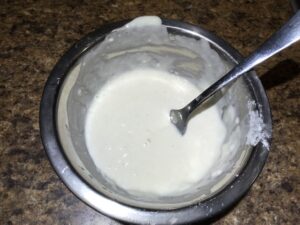
- Heat up 3” of cooking oil in a pot over medium high heat(350 degrees). Pat dry the shrimp. Dip in the tempura batter. Drop in the oil. Make sure to not over crowd.
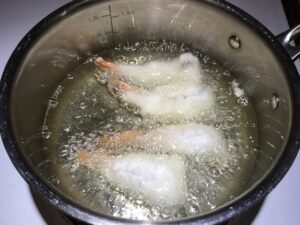
- Fry for 3 minutes a side. Drain grease on a rack.