Tag: Indigenous
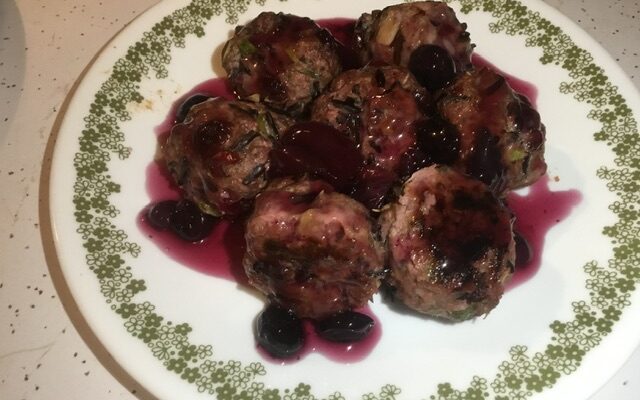
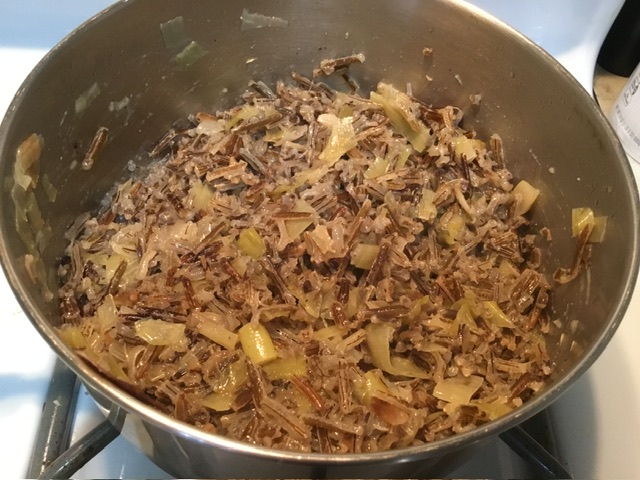
Ojibwe Wild Rice
Ojibwe Wild Rice
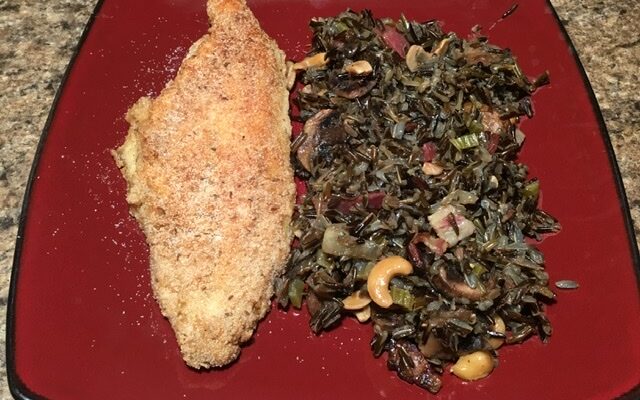
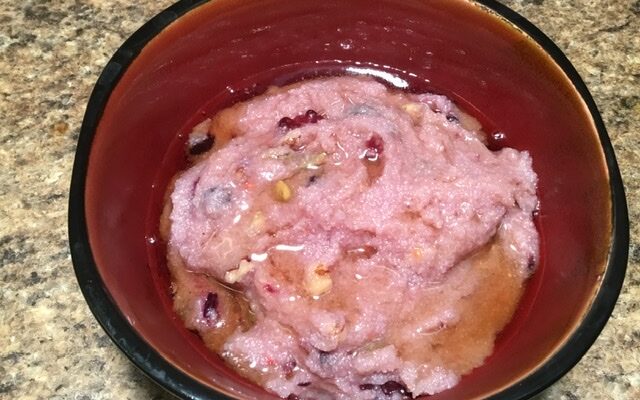
Wild rice has been an important part of the Ojibwe’s diet. While not actually rice, but the seeds of marsh grass, wild rice is harvested around the Great Lakes area by beating the grass with large wooden sticks into canoes. This is a simple recipe that is extremely flavorful and makes a great side dish to accompany just about any protein.
Ingredients
- 1 cup wild rice washed and rinsed
- 4 cups water
- 2 tbsp butter
- 2 leeks
- 1/4 cup Grand Marnier optional
- salt to taste
Instructions
- Place rice, water, and optional Grand Marnier in a pot. Bring to a boil. Cover and reduce the heat to low; stirring occasionally. Cook for 20 minutes.

- In another sauté pan over medium high heat, melt the butter and add in the leeks.
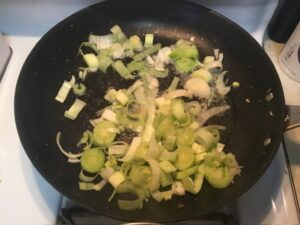
- Sauté for 8 minutes, set aside.
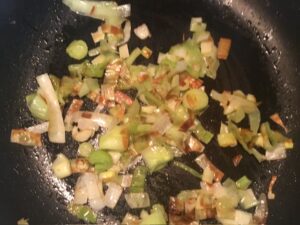
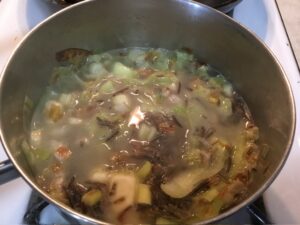
- After the rice has simmered for 20 minutes, stir in the leeks. Simmer on low for another 20 minutes until the wild rice is tender.
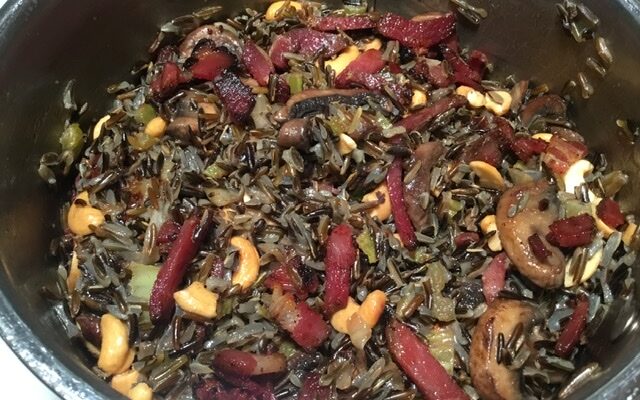
Season with salt to taste.
Pueblo Posole
Pueblo Posole
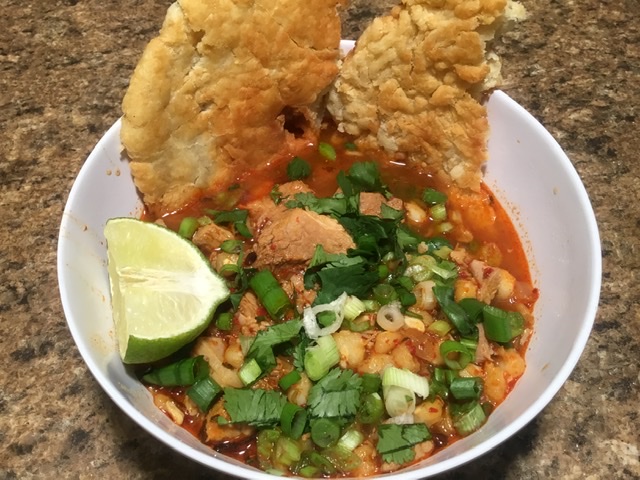
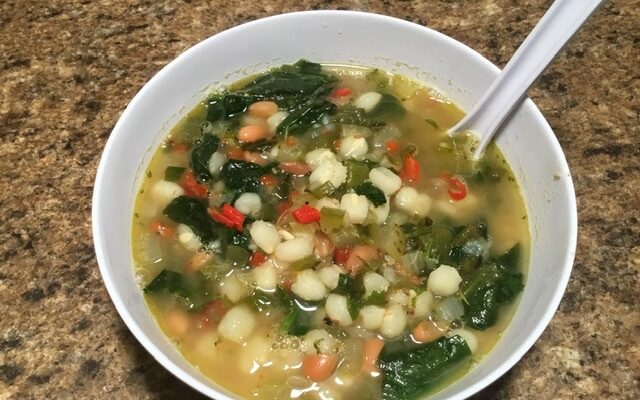
The origin of posole can be traced back to the Aztecs of Tenochtitlan. It is said after a human’s heart was removed after ritual sacrifice, the rest of the body was chopped up and cooked with maize; eaten as an act of religious communion. After the Spanish conquest of Aztecs in 1521, cannibalism was banned. Pork became the protein of choice.Today, posole is a staple of indigenous Pueblo communities of Colorado, Utah, Arizona, and New Mexico. Pork shoulder gets stewed with chilies and hominy. The posole is served with fry bread and topped with a large variety of garnishes such as green onions, cilantro, chilies, radishes, avocado, just to name a few.
Equipment
- Spice grinder
Ingredients
- 2 lbs pork shoulder cut into small pieces
- 4 cups water
- 4 dried chilies
- 1 tsp oregano
- 1 small onion finely chopped
- 6 garlic cloves minced
- 1 tsp cayenne pepper
- 1 tbsp cumin seeds
- 3 cups hominy
- 2 tsp salt
- 1 tsp black pepper
Fry Bread
- 2 cups flour
- 1/2 tbsp baking powder
- 3/4 tsp salt
- 3/4 tsp vegetable oil plus more for frying
- 3/4 cup warm water
Garnishes
- green onions chopped
- cilantro chopped
- lime wedges
Instructions
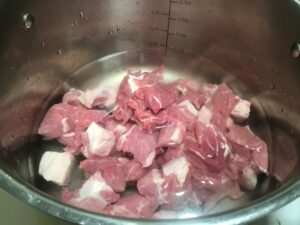
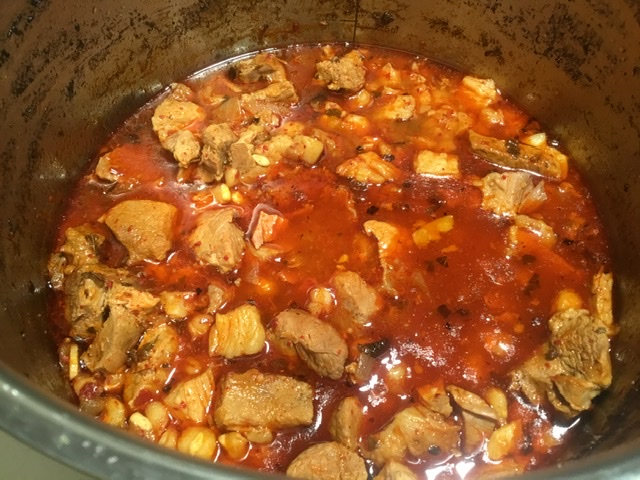
- Simmer the pork, onions, and garlic with 4 cups of water in a large pot over medium heat for 90 minutes.
- Grind the dried chilies and cumin in a spice grinder.
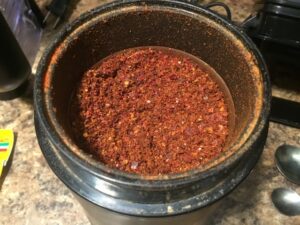
- Add to the pork along with the hominy and the rest of the seasonings.
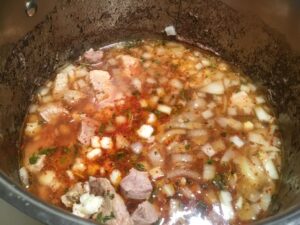
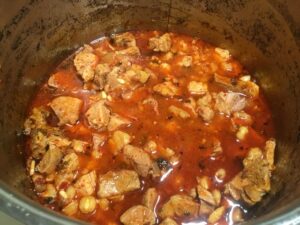
- Simmer for 30 more minutes.
Fry Bread
- Mix the ingredients together.
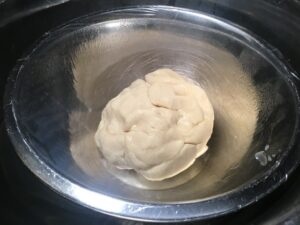
- Roll pieces out into flat discs. Poke a whole in the center with your finger.
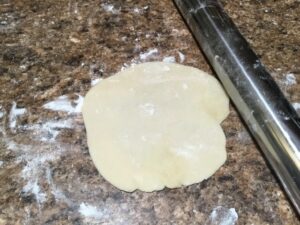
- Heat up 1/2” deep of vegetable oil in a skillet over medium high heat. Carefully lay a disc of dough into the oil.
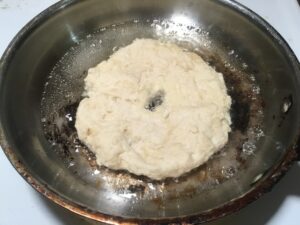
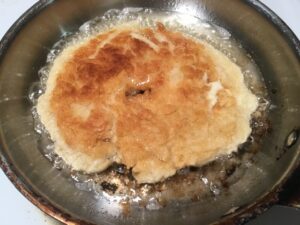
- Fry for 3 minutes a side.
Pueblo Pork Roast
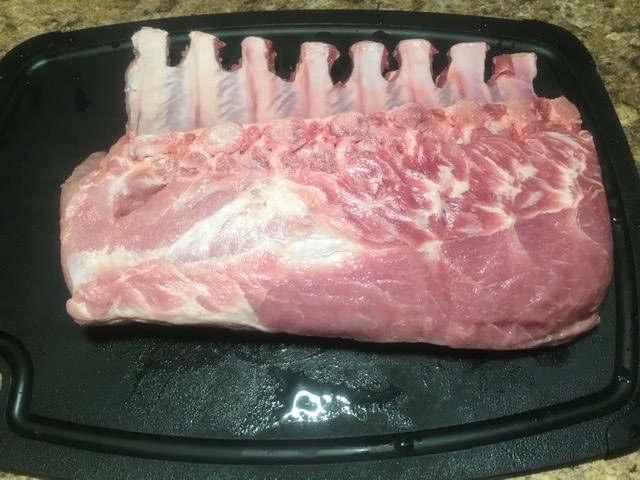
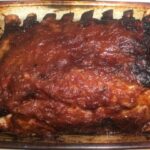
Pueblo Pork Roast
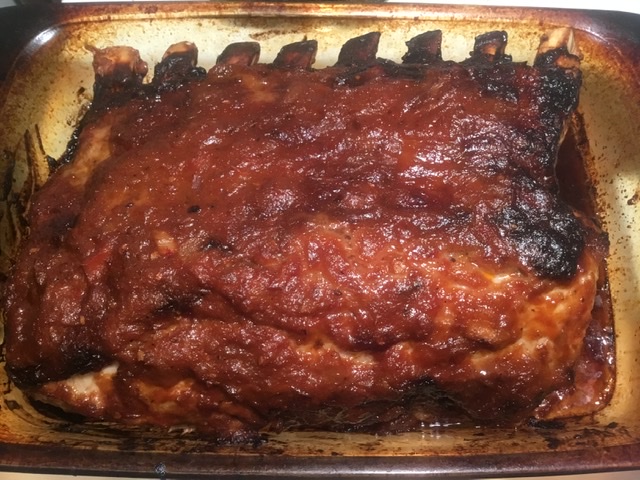
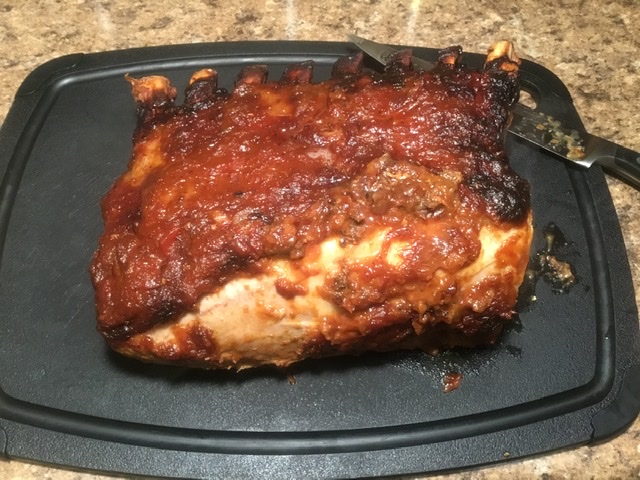
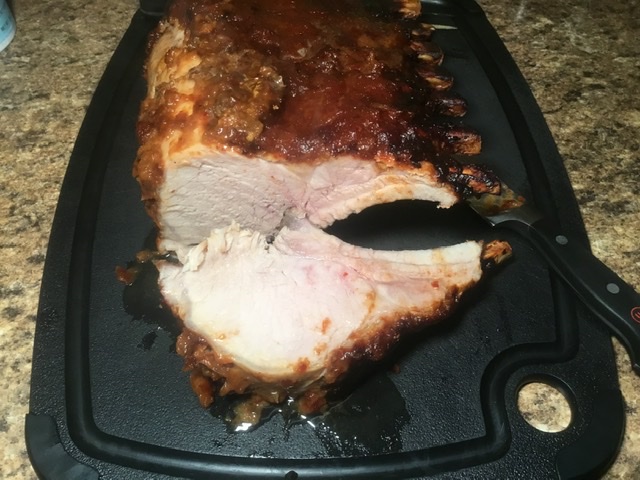
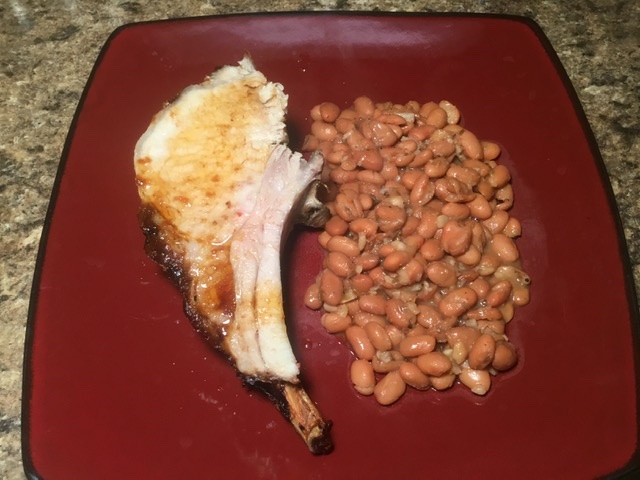
With Pueblo natives being indigenous to the southwest(New Mexico, Arizona, and Mexico), the flavors of this pork roast are definitely represented. The sauce that is made for the roast contains ingredients such as tomatoes, garlic, onions, juniper berries, coriander, honey, chili powder, and chocolate. The sauce is very reminiscent of Mexican mole.
Equipment
- Spice grinder
- immersion blender
Ingredients
- 1/4 cup vegetable oil
- 1 medium onion diced
- 4 garlic cloves minced
- 4 juniper berries
- 1/2 tsp coriander seeds
- 1 bay leaf
- 4 tomatoes diced
- 1 cup water
- 2/3 cup cider vinegar
- 1/2 cup honey
- 1 tbsp chili powder
- 2 tbsp salt
- 1 oz unsweetened chocolate grated
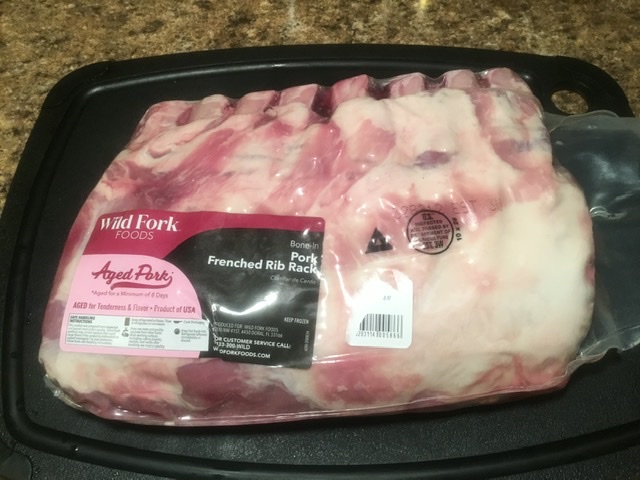
- 5 lb pork rib roast
Instructions
- Heat up the oil in a sauté pan over medium high heat. Sauté the onions and garlic for 5 minutes.
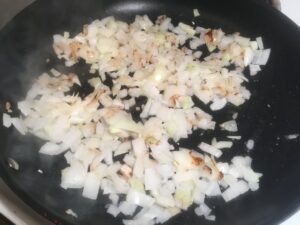
- Grind the juniper berries and coriander seeds in a spice grinder. Add them and the bay leaf to onions.
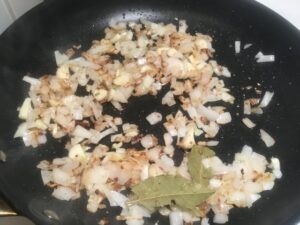
- Add the tomatoes, water, cider vinegar, honey, chili powder, and salt. Cover. Reduce the heat to medium low and simmer for 30 minutes.
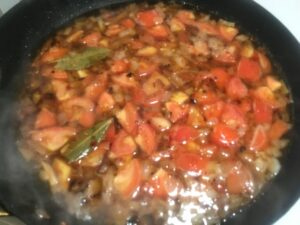
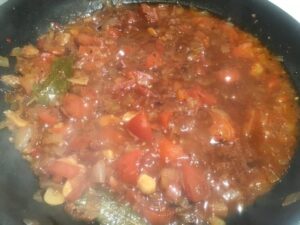
- Stir in the grated chocolate and continue to simmer for another 30 minutes.
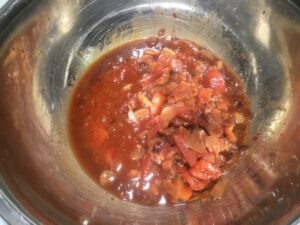
- Pour the sauce into a bowl and allow to cool.
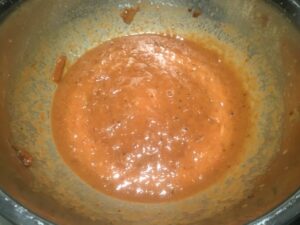
- Using an immersion blender, purée the sauce.
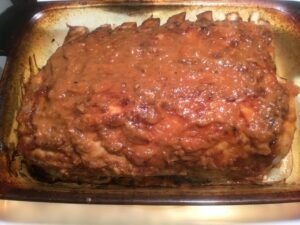
- Preheat the oven to 325 degrees. Pour 3/4 of the sauce over the pork roast. Bake for 45 minutes.
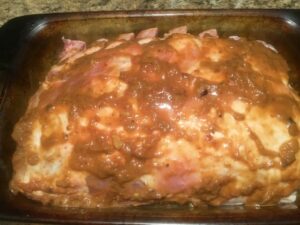
- Baste the roast with the rest of the sauce and bake for another 45 minutes.
Bison Fry Bread Tacos
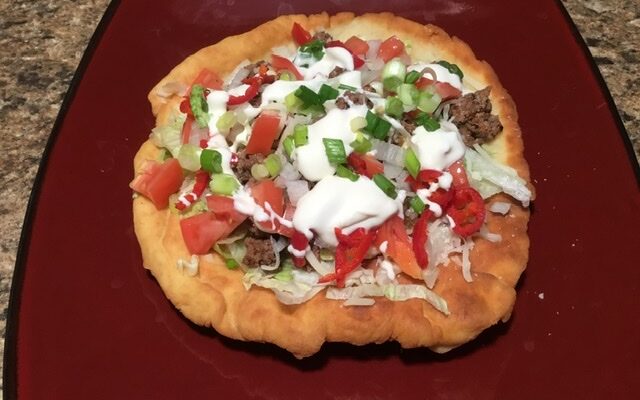
HISTORY AND CONTROVERSY OVER FRY BREAD The fry bread links generation to generation, connecting the painful narrative of Native American history. Fry bread can be traced back to the 1860s, created by the Navajo. The U.S. government forced Natives in Arizona to relocate to New …