Tag: Korean
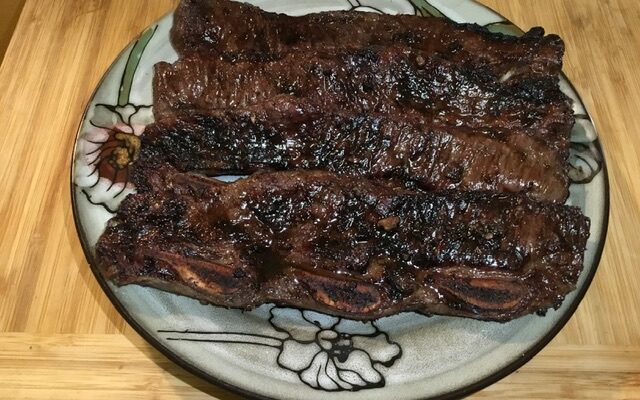
Dak Bulgogi
Dak Bulgogi
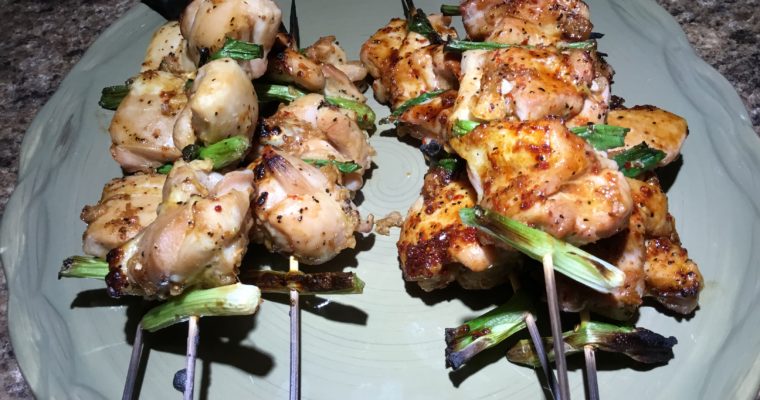
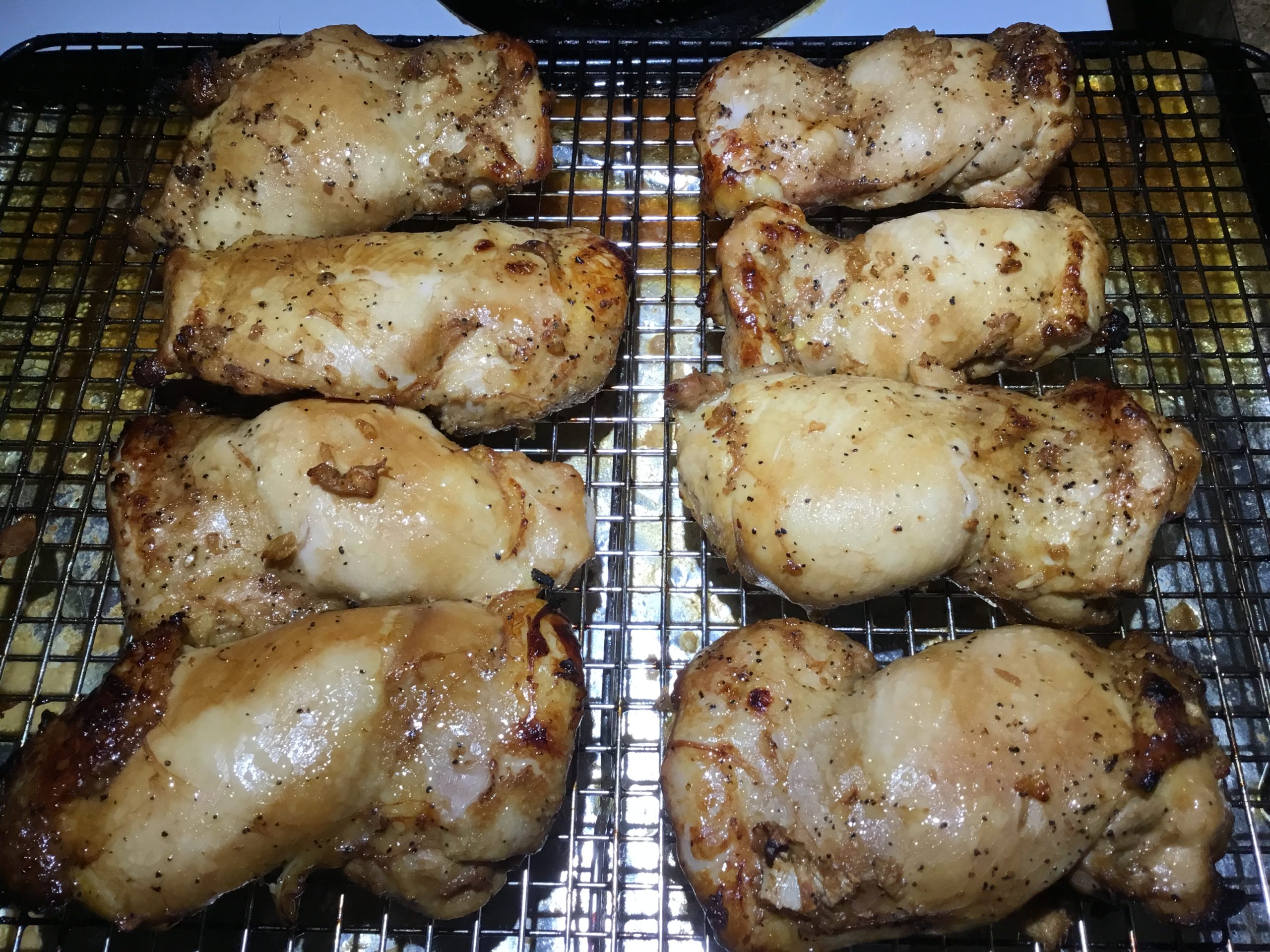
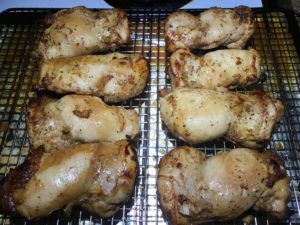
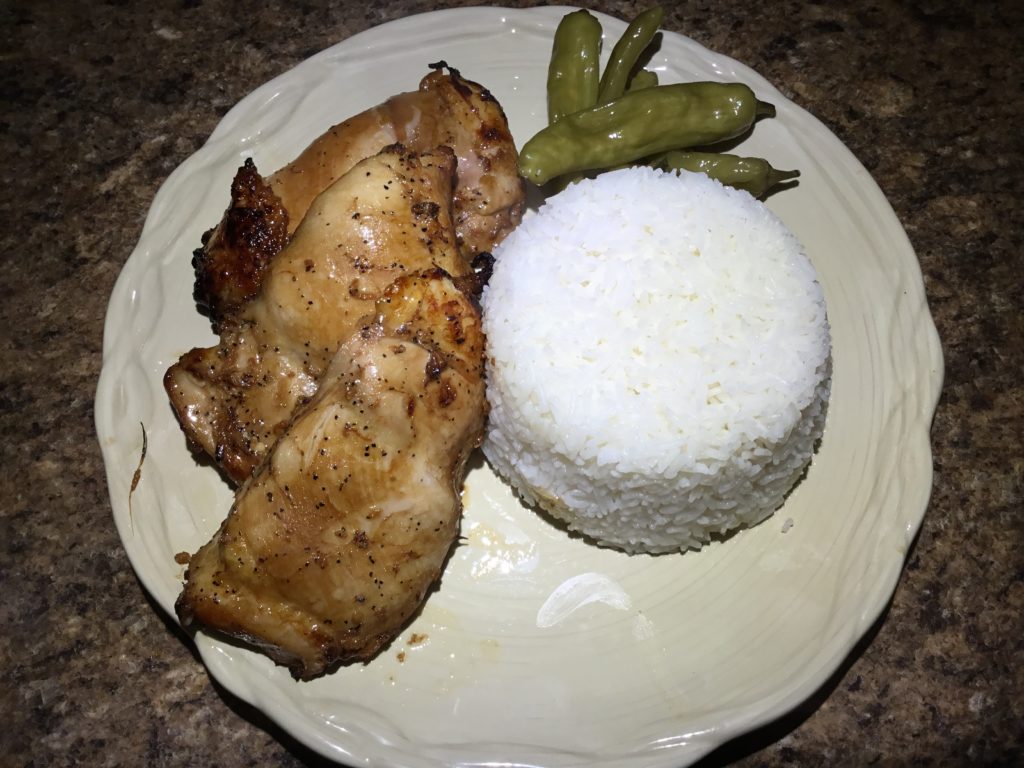
Dak bulgogi is chicken marinated in a bulgogi marinade that you typically see used with beef. You can use either breast or thighs. Your choice. I used thighs in this recipe. There are a couple of methods you can use for cooking the chicken. Most people don’t have an indoor grill that you’d use to cook the chicken like at a Korean bbq restaurant. You can simply pan fry the chicken with a little vegetable oil. If using this method, cut up the chicken into bite sized pieces before you marinade. The other method of cooking would be to either broil or grill the chicken. If preparing the chicken this way, I recommend keeping the chicken thighs whole. They will only take 7-8 minutes a side.
Servings: 4
Ingredients
- 2 lbs boneless skinless chicken thighs
- 6 tbsp light soy sauce
- 2 tbsp lemon juice
- 2 tbsp brown sugar
- 2 tbsp honey
- 2 tbsp mirin
- 2 tbsp garlic minced
- 2 tsp ginger minced
- 2 tbsp sesame oil
- 1/4 tsp black pepper
- 1 tsp sesame seeds
Instructions
- Mix all of the marinade ingredients together.
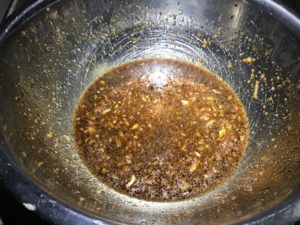
- Marinate the chicken thighs for at least 4 hours, preferably overnight.
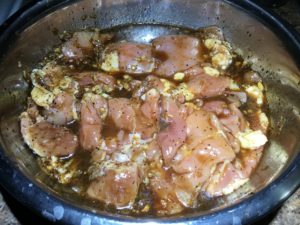
- Turn on your oven’s broiler. Place the thighs on a rack on a baking sheet lined in foil.
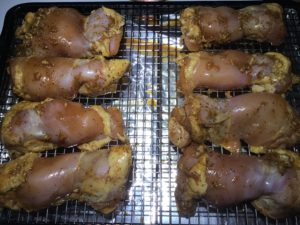
- Broil for 7-8 minutes a side.
Jjajangmyun (Korean Noodles with Black Bean Sauce)
Jjajangmyun (Korean Noodles in Black Bean Sauce)
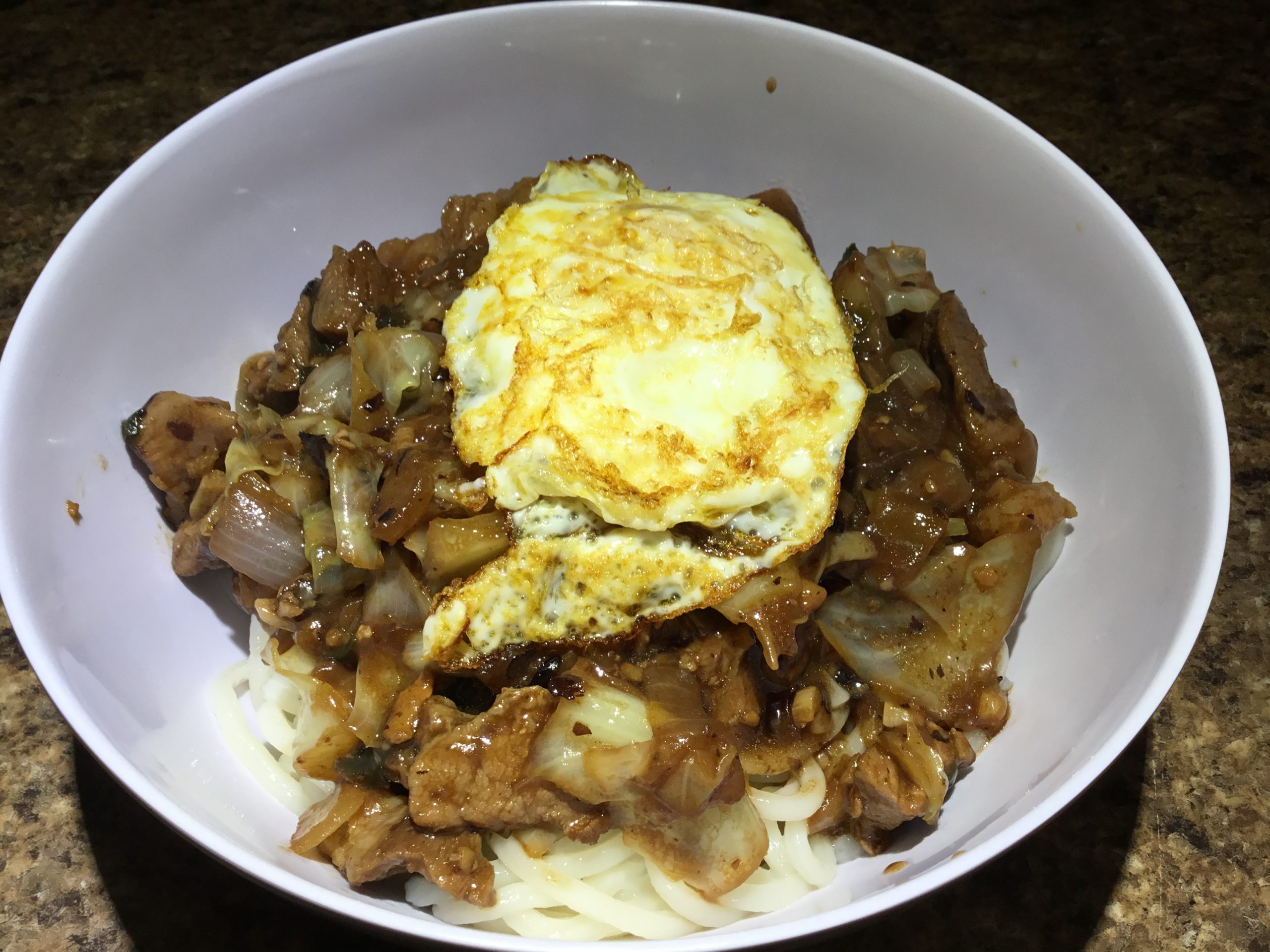
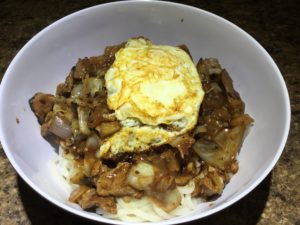
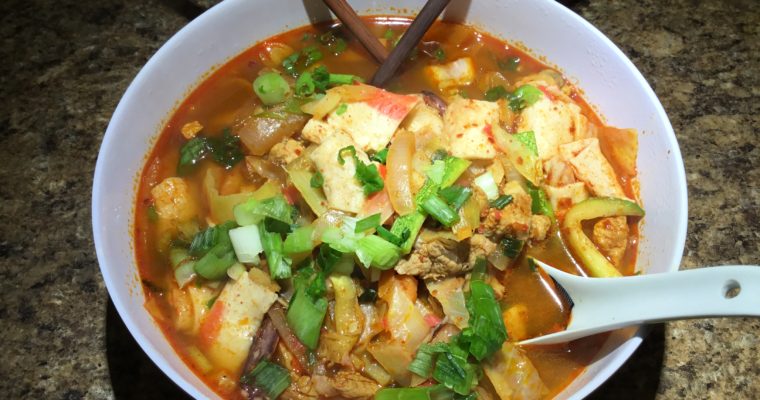
Jjajangmyun has its roots in Chinese cuisine. You may have seen it on Chinese menus as chicken in black bean sauce. The main difference between the Chinese and Korean versions is that the Korean jjajangmyun is typically sweeter due to the addition of sugar.So what is black bean paste? In Asian cuisine, black bean paste isn’t made from black beans, but fermented soy beans and carmel color. The Korean version of this paste is bitter and is sweetened with sugar. The paste is the essential ingredient in black bean garlic sauce, which is pretty much the base of jjajangmyun.Preparing jjajangmyun is fairly simple. You can use either pork or chicken for the protein. Pork shoulder and chicken thigh will work the best. A little bit of fat is necessary in this dish. Once the sauce is finished, it is ladled over Korean jjajang noodles. It is then topped off with a fried egg. If you don’t have noodles, you can put this over steamed rice; A.K.A. jjajangbap.
Ingredients
- 1 tbsp vegetable oil
- 1 lb pork shoulder 1” cubes
- 6 garlic cloves minced
- 3 green onions chopped
- 2 tbsp ginger minced
- 1/2 cup black bean paste
- 1 medium onion diced
- 1/4 head green cabbage chopped
- 1/3 cup rice wine
- 1 cup chicken stock
- 2 tbsp sugar
- 1 1/2 tbsp cornstarch dissolved in 4 tbsp of cold water
- 2 portions jjajang noodles
- fried eggs
Instructions
- Heat up cooking oil in a large sauté pan or wok over high heat. Sauté the pork shoulder for 3 minutes.
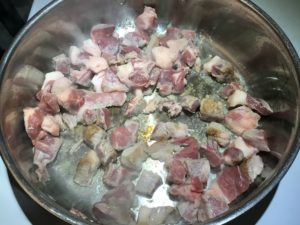
- Stir in the green onion, garlic, and ginger. Sauté for 2 minutes.
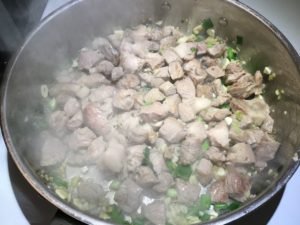
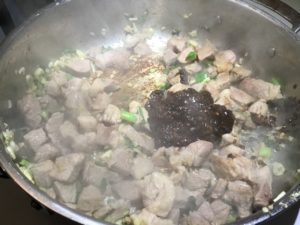
- Stir in the black bean paste. Cook for 1 minute.
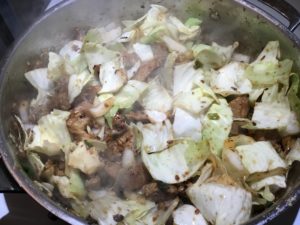
- Add in the cabbage and onions. Cook for 3 minutes.
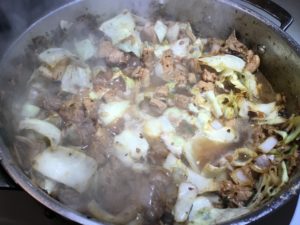
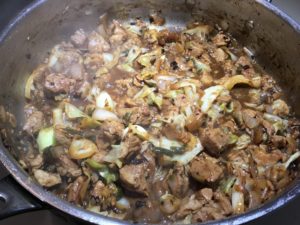
- Add in the cooking wine. Cook until the liquid has evaporated. Then add in the chicken stock and sugar. Bring to a boil. Reduce the heat to medium. Simmer uncovered for 15 minutes.
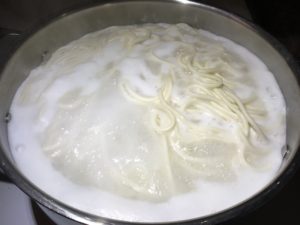
- While the pork and black bean sauce is simmering. Bring a pot of water to a boil. Add the jjajang noodles, boiling for 6-7 minutes. Drain and run under cold water.
- The last minute of cooking, stir in the slurry you made of cornstarch and water. This will thicken the sauce.
- Portion out the noodles and black bean sauce. Top with a fried egg.
Dakbal (Korean-Style Chicken Feet)
Dakbal (Korean-Style Chicken Feet)
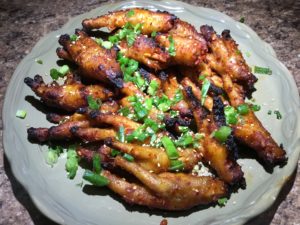
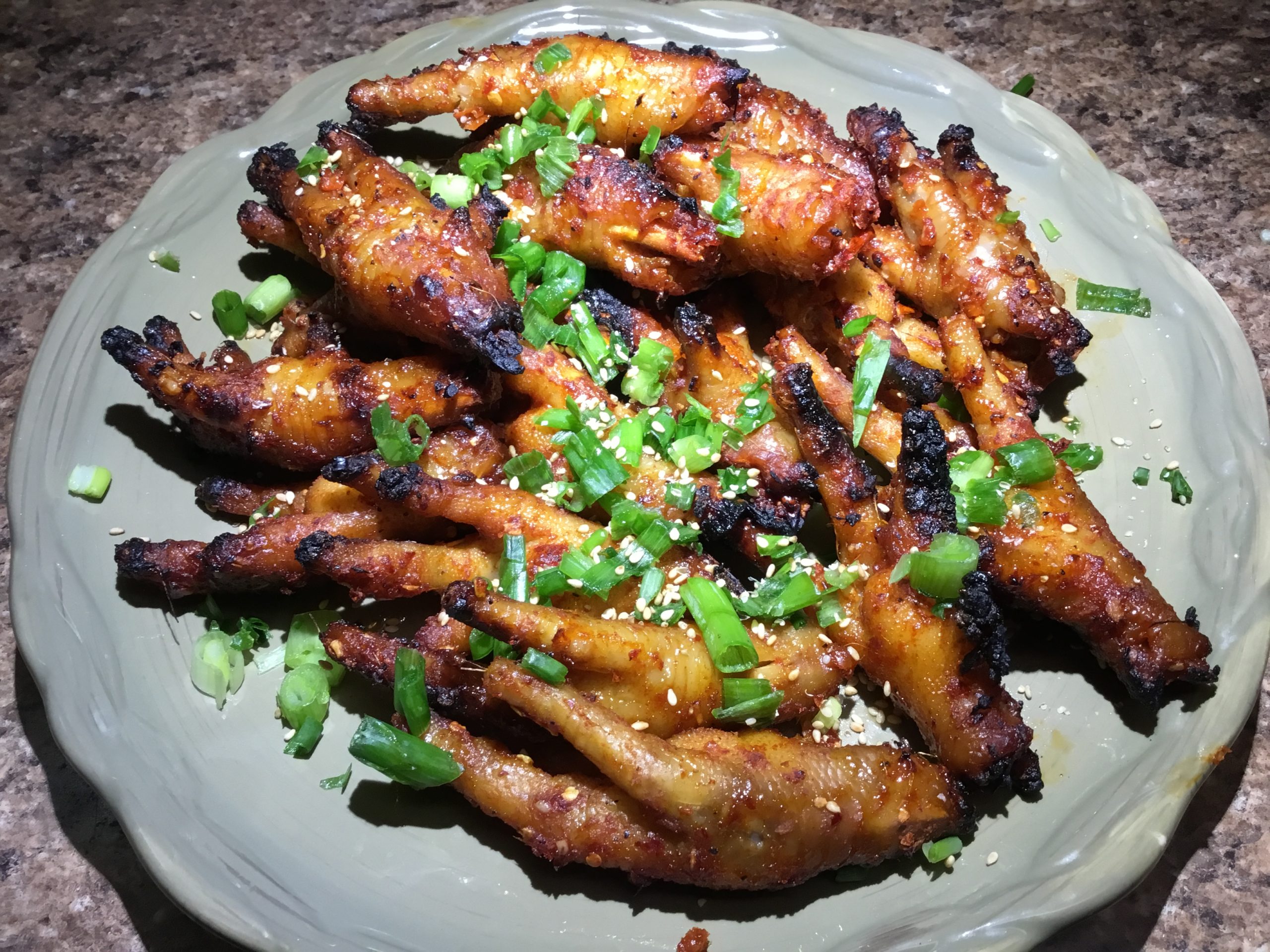
Chicken feet are meant for people who like to strip meat to the bone. That’s the only reason I can think of why anyone would eat these. I’m definitely one of those people. You can find chicken feet at pretty much every Asian market for around $2lb. They still have the nails attached, so they need to be clipped. Take a chef’s knife and simply cut off the first digit. Not only are they great to eat as a spicy appetizer, they are great for making chicken stock. It is really important to wash and massage the chicken feet in either vodka, soju, or milk and coarse Korean salt. This will help rid the feet of any excess blood and other impurities. This step should not be skipped. After this process, the chicken feet need to be steamed for 1 hour. While they are steaming, prepare the sauce in a food processor. As soon as the feet are done, transfer to a bowl. Pour the sauce over the hot feet. Make sure that they are evenly coated. Cover and let cool completely. Let marinade for at least 4 hours, preferably overnight. There are 3 options to finish cooking the chicken feet. They can either be grilled, broiled, or even pan fried. They will take about 4-5 minutes a side on a grill or in a broiler and about 10 minutes in a large oiled sauté pan over medium high heat. I think they are best grilled or broiled. I like to have a char on the feet. Drizzle with sesame oil and garnish with chopped green onions and sesame seeds.
Equipment
- steamer basket
- food processor
Ingredients
- 1 lb chicken feet nails clipped
- 2 tbsp coarse Korean salt
- 1/2 cup vodka, soju, or milk
Sauce
- 3 garlic cloves minced
- 2” ginger minced
- 1-10 Thai chilies finely chopped
- 2 tbsp gochugaru
- 1 tbsp gochujang
- 1 tbsp soy sauce
- 1 tbsp mirin
- 1 tbsp oyster sauce
- 1 tbsp sugar
- 1/4 tsp black pepper
Garnish
- sesame oil
- sesame seeds
- green onion chopped
Instructions
- Clip the nails and wash the chicken feet.
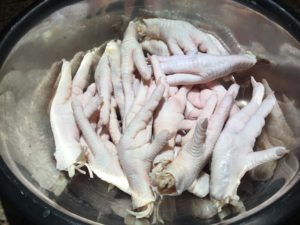
- Cover with vodka and coarse salt. Massage the feet with the vodka/salt mix for a minute. Let sit for 20 minutes. Rinse the feet.
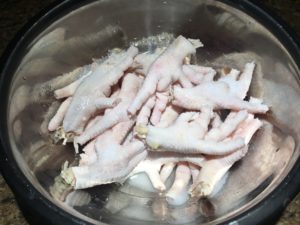
- Line a steamer basket with parchment paper. Add the chicken feet.
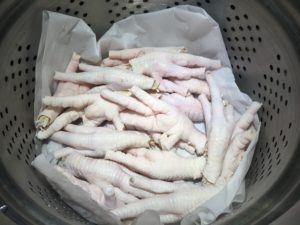
- Steam for 1 hour.
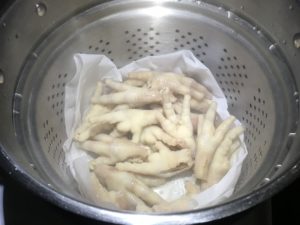
- While the feet are steaming, add all of the sauce ingredients to a food processor. Purée.
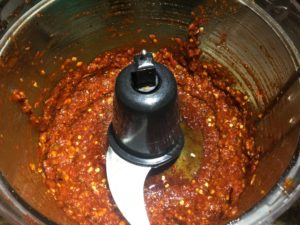
- In a large bowl, add the sauce to the hot chicken feet. Mix thoroughly. Cover and let completely cool. Let marinate in the refrigerator for at least 4 hours, preferably overnight.
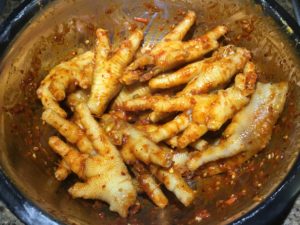
- Turn on your oven’s broiler. Place a rack on a baking sheet lined in foil. Line up the chicken feet. Broil for 4-5 minutes a side.
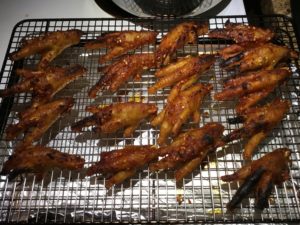
- Drizzle sesame oil over the chicken feet. Garnish with sesame seeds and chopped green onion.