Tag: main course
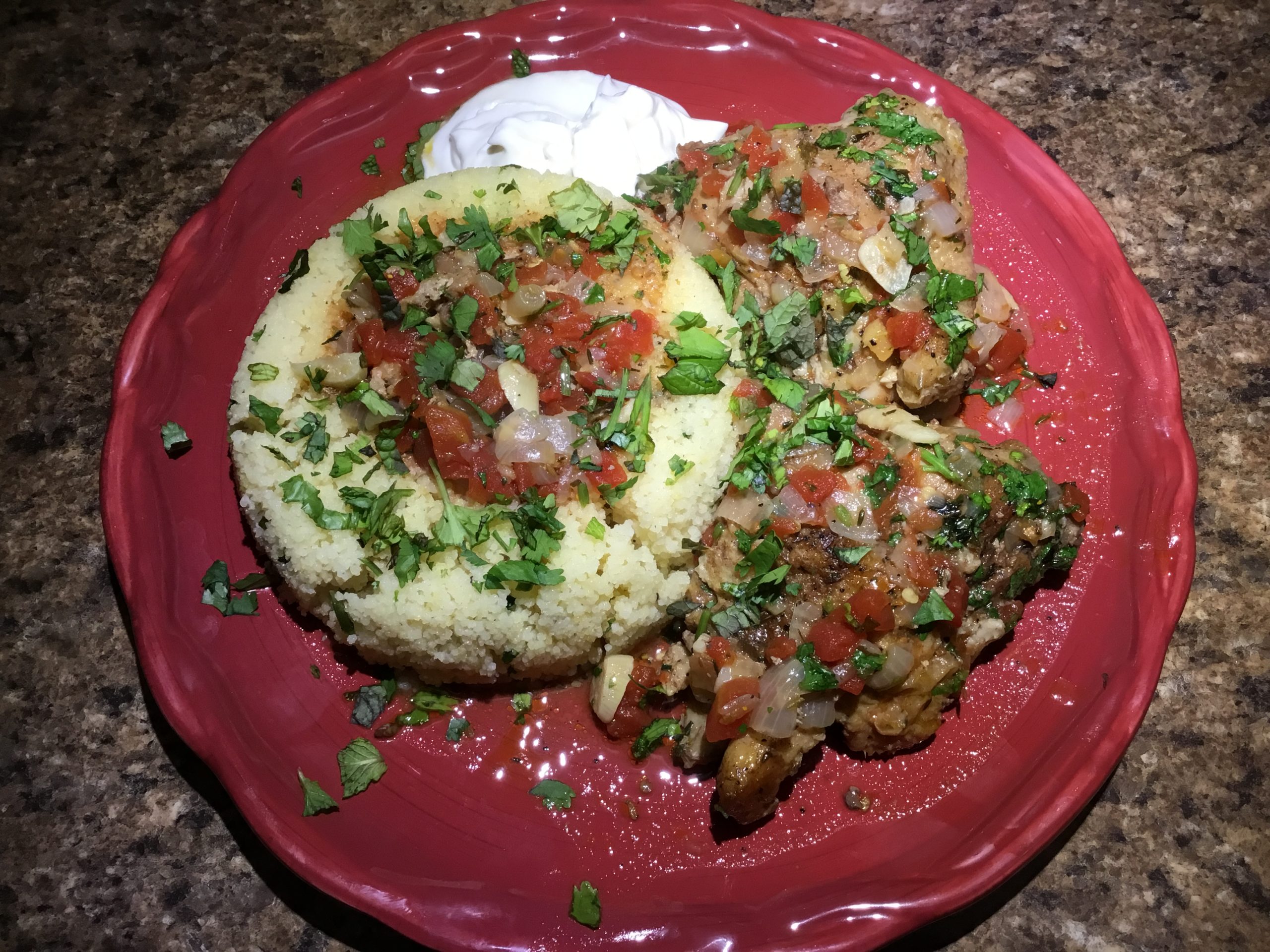
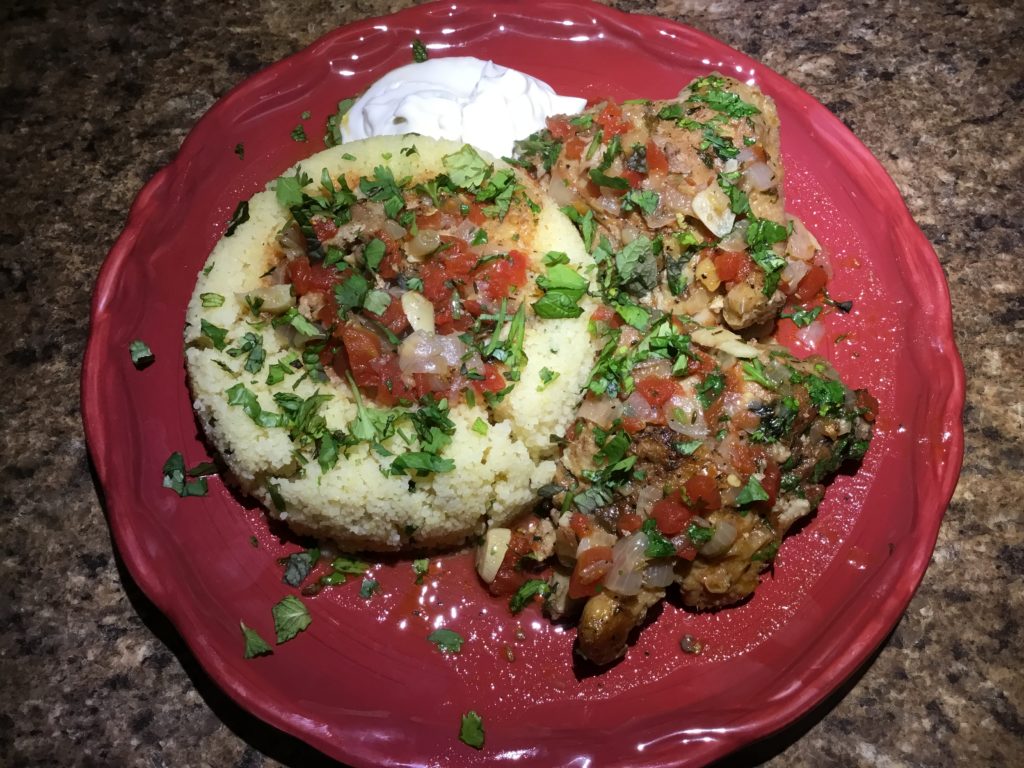
Syrian Chicken
Syrian Chicken
Syria borders the Mediterranean and the Middle East. This chicken dish best represents the cuisine’s influence of flavors. Chicken thighs are seasoned with cumin, cinnamon, salt and pepper and are seared, then braised in a saffron/garlic/onion/tomato sauce. The chicken can be served over couscous, rice, pasta, or even masked potatoes.
Equipment
- Dutch oven
Ingredients
- 2 tbsp olive oil
- 6 bone in chicken thighs
Chicken Dry Rub
- 1 tsp cumin
- 1 tsp cinnamon
- 1 tsp salt
- 1 tsp black pepper
Sauce
- 1 medium onion chopped
- 2 tbsp ginger minced
- 6 garlic cloves minced
- 3 birds eye chilies chopped
- 14 oz canned crushed tomatoes
- 1 cup chicken stock
- 1 tsp thyme
- 1/2 tsp cumin
- 1/8 tsp saffron powder
- 1/4 cup combined mint and cilantro chopped
Instructions
- Season the chicken thighs with the dry rub.
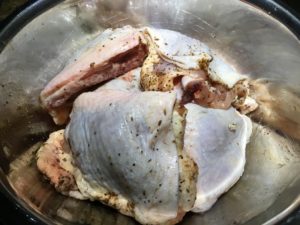
- Heat up the cooking oil in a Dutch oven over medium high heat. Place the chicken thighs skin side down. Sear for 6 minutes. Turn over and cook for 4 more minutes. Remove from the oil and set aside.
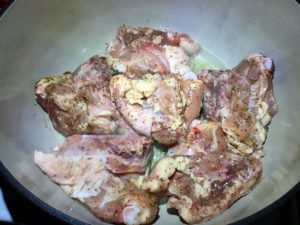
- In the same pot, add the onions, garlic, ginger, and birds eye chilies. Sauté for 2 minutes.
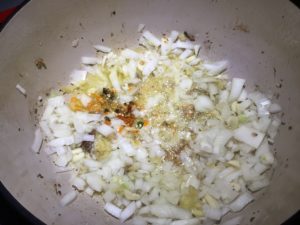
- Stir in the tomatoes, chicken stock, saffron powder, thyme, and cumin. Simmer for 5 minutes.
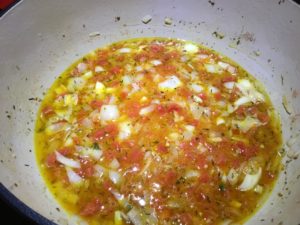
- Add in the chicken thighs. Place a cover on the pot and cook for 45 minutes in a preheated 350 degree oven.
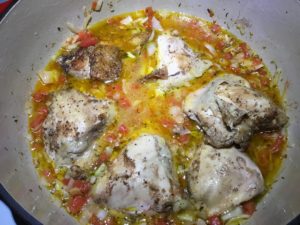
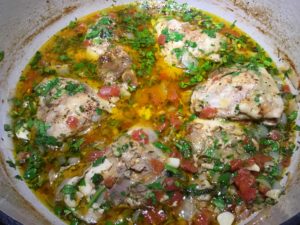
- Take out of the oven and toss in the chopped cilantro and mint.
Shorbit Adas (Lentil Soup)
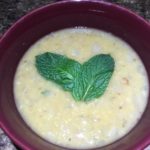
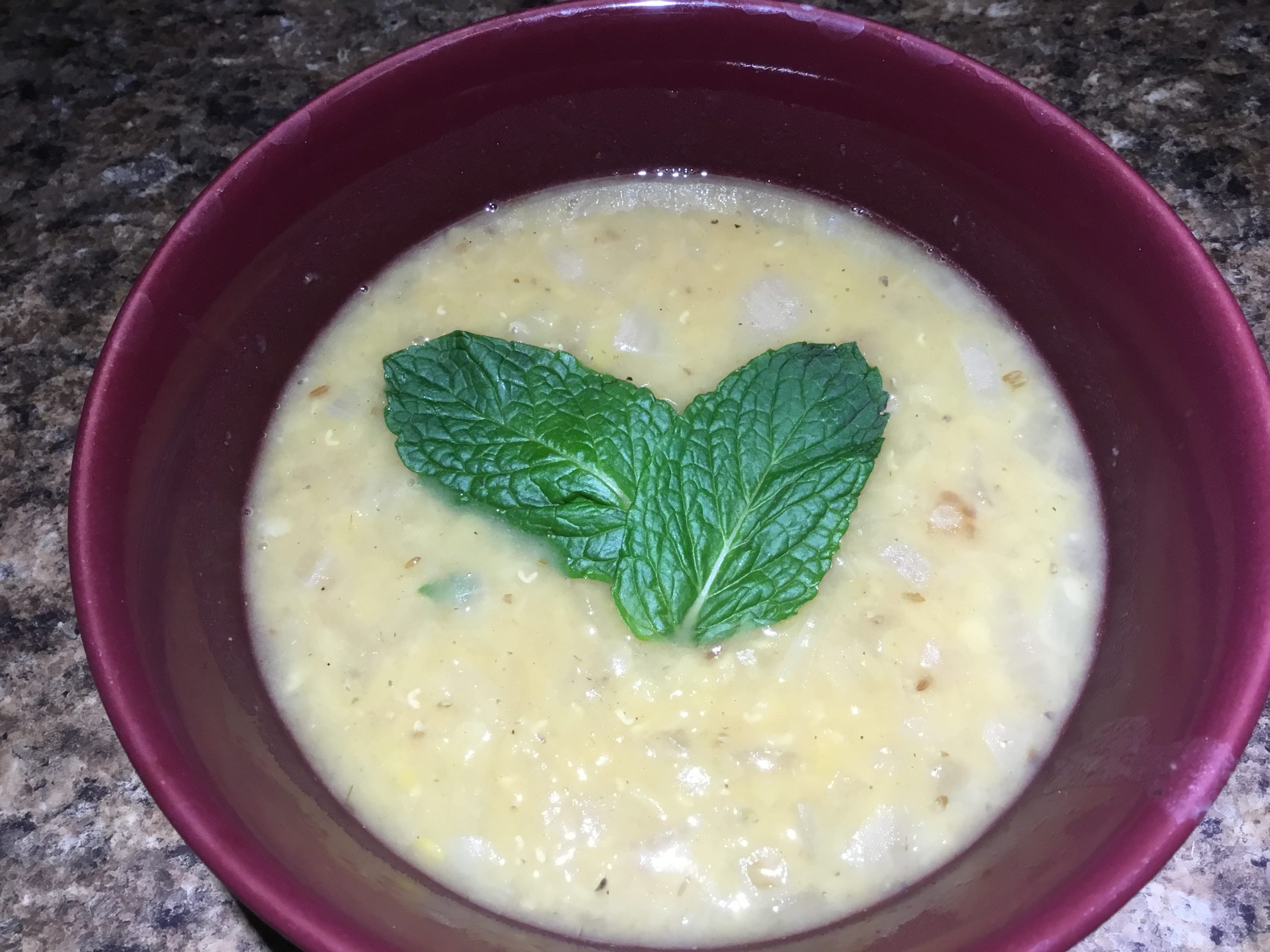
Shorbit Adas (Lentil Soup)
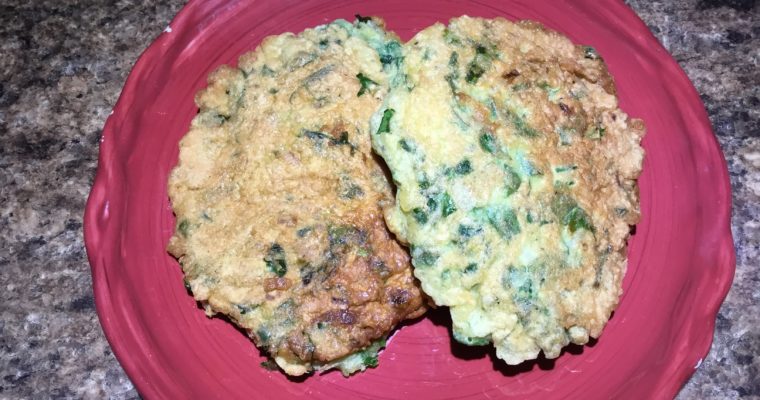
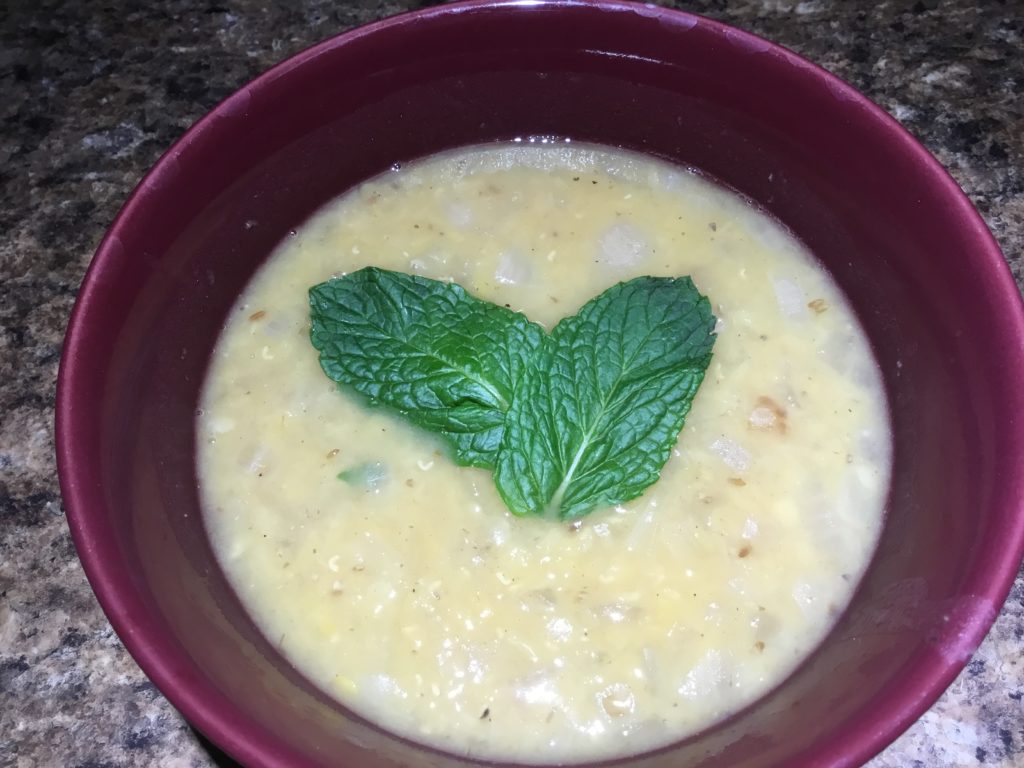
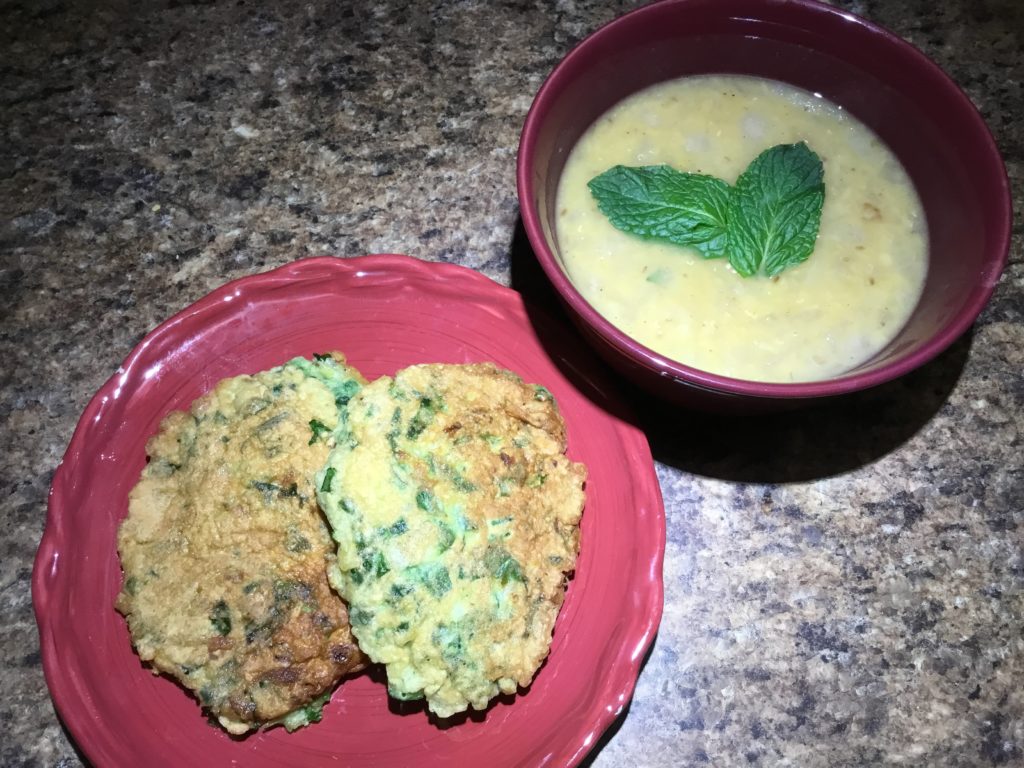
Lentil soup is the most popular soup in Syrian cuisine. It is a staple to have with every meal. There are many different variations of lentil soup. This is the basic traditional soup that you would find at restaurants and street stands in Syria. Simply sauté the onions for 10 minutes. Add in the lentils and water. Bring to a boil, then reduce the heat to low and simmer for 45 minutes. Season. That’s it. Serve this soup with ojji (Syrian omelettes).
Ingredients
- 2 tbsp olive oil
- 1 medium onion diced
- 5 cups water
- 1 cup red lentils
- 2 tsp salt
- 1 tsp black pepper
- 1 tsp cumin
Instructions
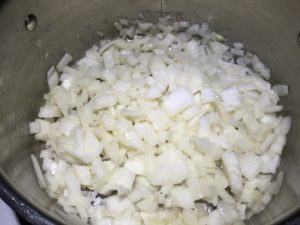
- Heat up olive oil in a pot over medium high heat. Sauté the onions for 10 minutes.
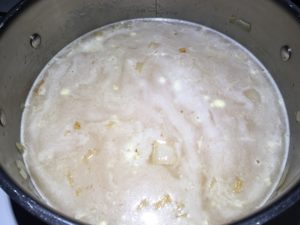
- Pour in the water and lentils. Bring to a boil. Reduce the heat to low and simmer for 45 minutes.
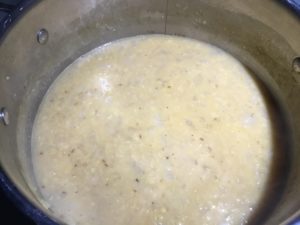
- Season the soup with salt, pepper, and cumin.
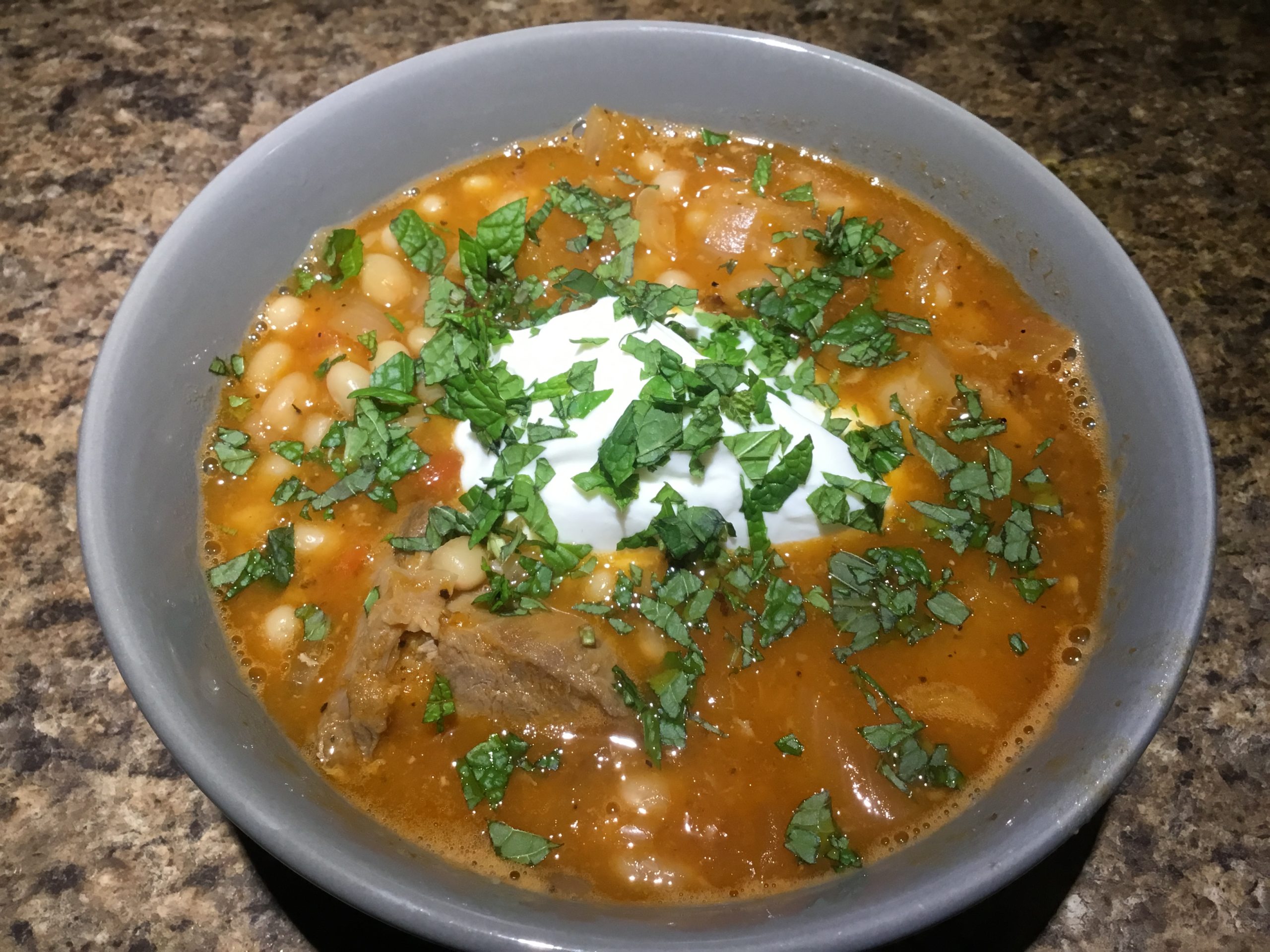
Marqat Fasolia
Marqat Fasolia
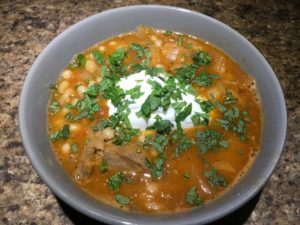
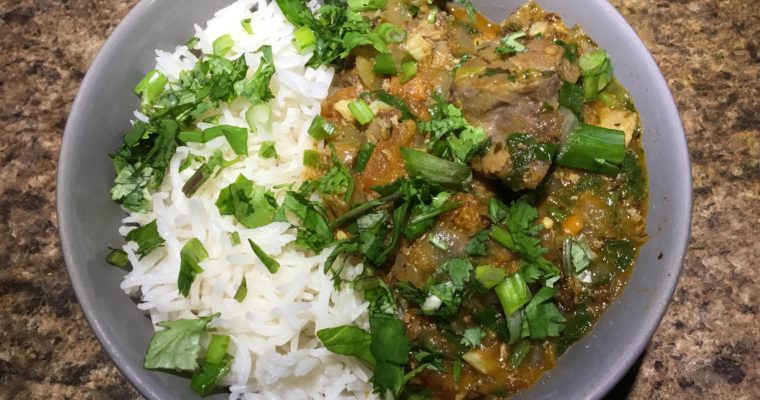
Marqat Fasolia is a white bean stew cooked with tomatoes and lamb. There are many different variations of this stew all over the Middle Eastern regions, with and without meat. When choosing lamb for the recipe, shoulder will work the best. It happens to be a fattier cut that requires slow cooking, which is perfect for this stew. Bone in lamb shoulder is always preferred, but you can use boneless if you’d like. My local Asian market sells already cubed bone in lamb shoulder. If you can’t find bone in cubed shoulder, ask you butcher to cut it up for you. This is something that you can’t do at home unless you happen to have a bandsaw in your kitchen. Cut up lamb shanks would also be a suitable replacement if you can’t find shoulder.
Ingredients
- 2 lbs bone in lamb shoulder cubed
- 4 tbsp olive oil
- 1 medium onion chopped
- 2 tbsp tomato paste
- 4 tomatoes seeded and finely chopped
- 14 oz dry white beans cooked
- 3 cups water
- 2 tbsp cumin
- 2 tbsp black pepper
- 2 tsp salt
Garnish
- plain Greek yogurt
- mint chopped
Instructions
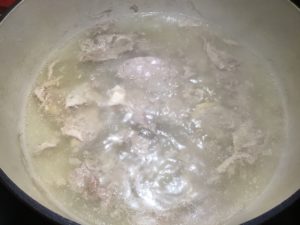
- Add the lamb to a pot of cold water. Bring to a boil. Cover and let simmer for 45 minutes. Drain and set aside.
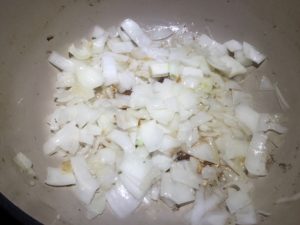
- In the same pot, heat up cooking oil over medium high heat. Sauté the onions for 5 minutes.
- Add the lamb back in and sauté for another 5 minutes.
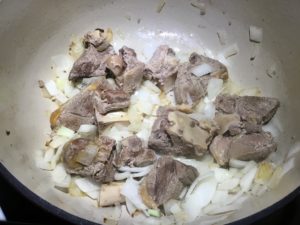
- Add in the tomatoes, tomato paste, salt, pepper, and cumin. Cook for 5 minutes.
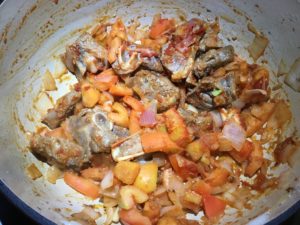
- Stir in the water and white beans. Bring to a boil. Cover and reduce the heat to low. Simmer for 45 minutes.
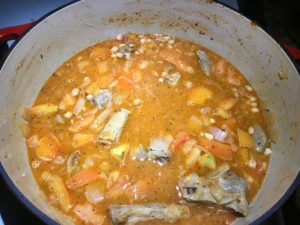
- Garnish with a dollop of plain Greek yogurt and chopped mint.