Tag: pork
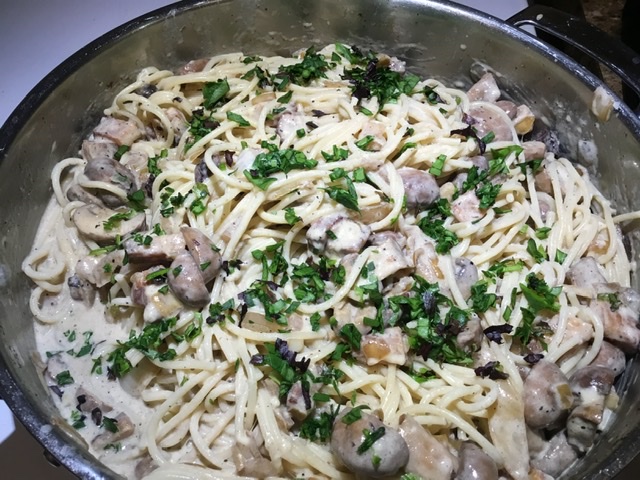
Filipino-style Carbonara
Filipino-style Carbonara
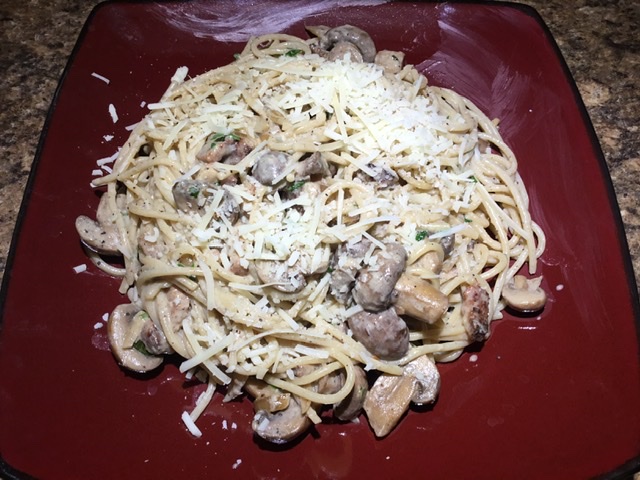
Italian pasta carbonara consists of spaghetti cooked with pancetta, eggs, garlic, and a lot of parmesan cheese. Filipinos have adapted the recipe to fit their palate, using more bacon than anyone should eat(I actually cut the amount by half), mushrooms, onions, garlic, in a heavy cream sauce with parmesan cheese. This is the type of comfort food that will make you want to take a nap for the next week.
Ingredients
- 1 lb spaghetti prepared according to package directions
- 1 lb slab bacon diced
- 1 lb button mushrooms sliced
- 1 medium onion diced
- 6 garlic cloves minced
- 2 tbsp butter
- 1 tbsp flour
- 1 cup chicken stock
- 2 cups heavy cream
- 1/4 cup parmesan cheese
- 1 tsp nutmeg
- salt and pepper to taste
Garnish
- parsley chopped
- parmesan cheese
Instructions
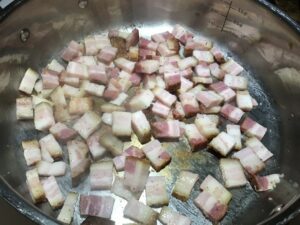
- Sauté bacon in a large sauté pan over medium heat until crispy; about 8 minutes. Remove from the pan, keeping the bacon grease.
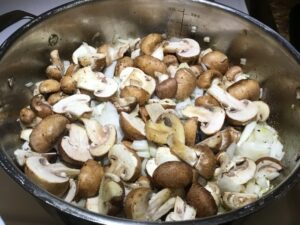
- Sauté the onions, mushrooms, and garlic for 6 minutes. Remove from the pan.
- In the same pan, melt the butter.
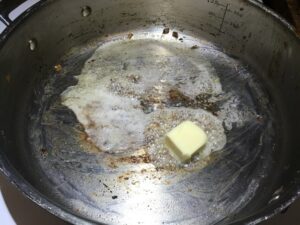
- Whisk in the flour for 2 minutes to cook away the raw taste.
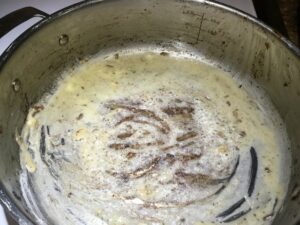
- Pour in the chicken stock; whisking away any lumps.
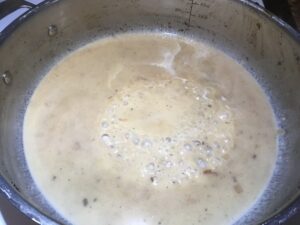
- Whisk in the heavy cream. Simmer for 5 minutes until it starts to thicken.
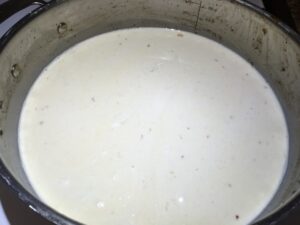
- Stir in parmesan cheese, nutmeg, salt and pepper.
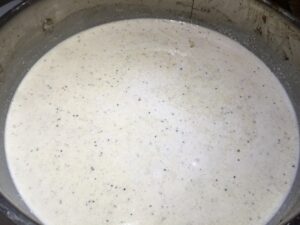
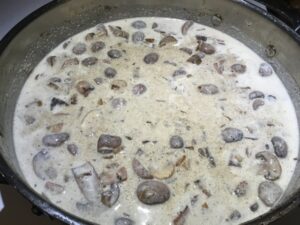
- Stir back in the bacon, onions, mushrooms, and garlic.
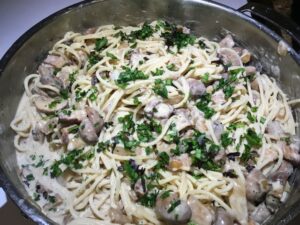
- Toss in the cooked spaghetti. Cook for 4 minutes, letting the pasta absorb some of the cream sauce. Garnish with chopped parsley and more parmesan cheese.

Ramen Chasu Pork

Ramen Chasu Pork
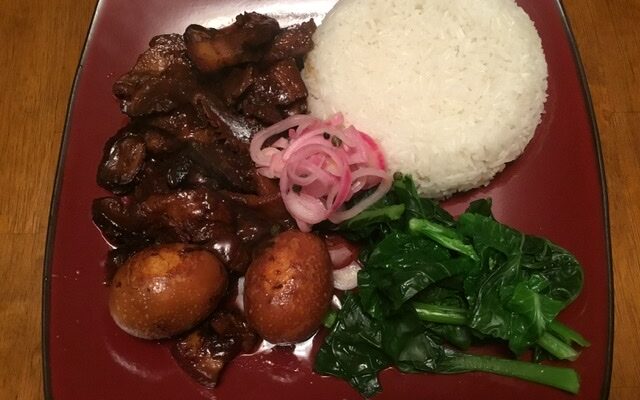
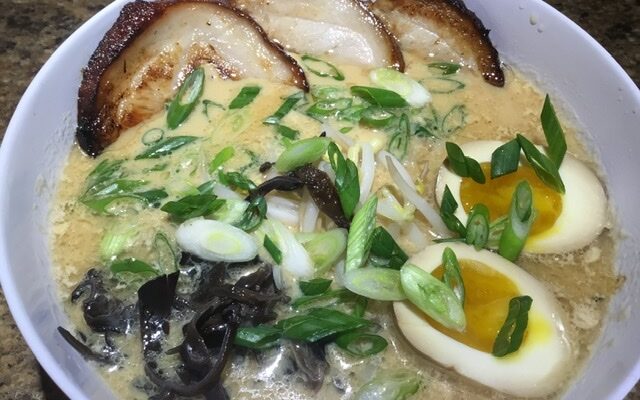
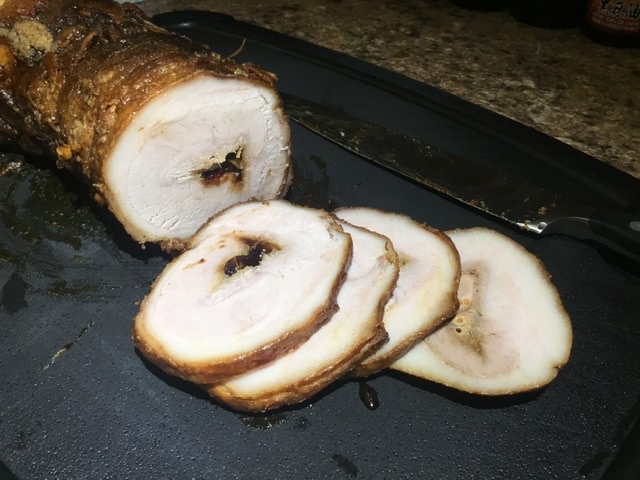
Tonkatsu ramen is my absolute favorite of all the varieties of ramen that are out there. The pork belly is my favorite part of the tonkatsu. The outer skin is crispy while the center of the pork belly rainbow is butter tender. Yes, my butter is tender.While there are many steps to make the chasu pork, it is still fairly easy to make. You can use skin-on or skinless pork belly. There is no wrong. I was only able to get skinless, so that’s what we’re going with. You will need at least a 4lb piece of pork belly. It does sound like a lot, but it is going to shrink almost by half after the braising. Place the belly fat side down and roll it up tight. Using butcher’s twine, tie the very center of the roll to hold it in place. Then tie 4 more ties around the belly on each side of the center tie; about every 1” or so.To cook the pork belly, sear it on all sides in a large Dutch oven. Pour in soy sauce, mirin, sake, sugar, ginger, garlic, and green onions. Bring it to a boil, uncovered. Then place a cover on the pot. Simmer for 90 minutes, turning the belly every 20 minutes to evenly flavor the chasu pork. Reduce the heat to medium low and simmer for an additional 30 minutes. Remove the belly from the pot. Let cool completely. Strain out the ginger, garlic, and green onions from the sauce and discard. Place the chasu pork in a gallon sized storage bag with 1 cup of the strained sauce. Refrigerate for 1 day before slicing. This step can not be skipped. This will allow the pork to keep it’s shape when sliced. Use the rest of the sauce as the tare sauce for your ramen. Tare sauce adds another dimension of flavor to your tonkatsu ramen.Chasu pork is also great to use in gua bao pork buns.
Equipment
- Butchers Twine
Ingredients
- 4 lb pork belly
- 1 cup sugar
- 1 1/2 cups soy sauce
- 1 1/2 cups mirin
- 1 1/2 cups sake
- 1/4 lb ginger sliced in half
- 2 heads garlic sliced in half
- 6 green onions
- 1 tbsp vegetable oil
Instructions
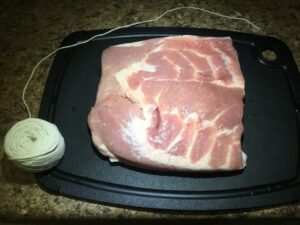
- Place your pork belly skin side down on a cutting board.
- Roll up your pork belly tight. Using butcher’s twine, tie up the pork belly in the very center of the roll.
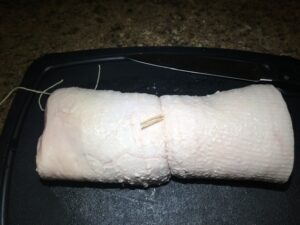
- Tie up the pork belly every inch or so; at least 4 times on each side of the center tie.
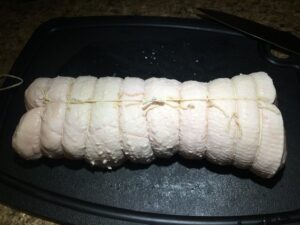
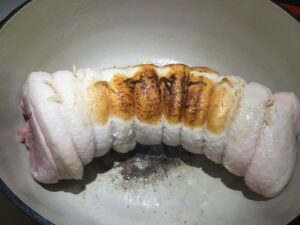
- Heat up the cooking oil in a Dutch oven over medium high heat. Brown the tied up pork belly on all sides for 10-12 minutes in total.
- Mix together the sugar, soy sauce, mirin, and sake. Pour into the Dutch oven. Add in the ginger, garlic, and green onions. Bring to a boil uncovered.
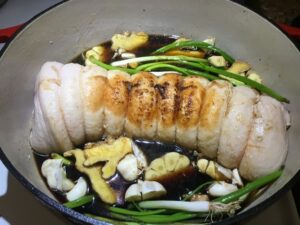
- Place a cover on the Dutch oven. Simmer for 90 minutes, turning every 20 minutes in the sauce.
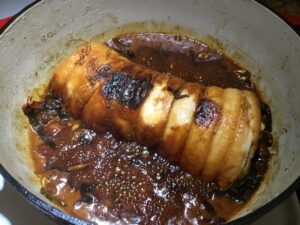
- Refuce the heat to medium low and continue simmering for 30 more minutes.
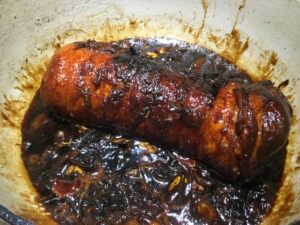
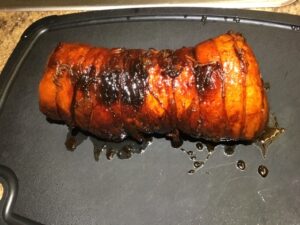
- Take the pork belly out of the pot and let cool.
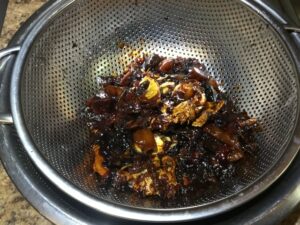
- Strain the sauce of the ginger, garlic, and green onions.
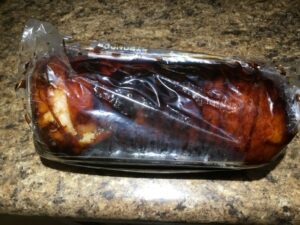
- Place the pork belly in a gallon sized storage bag with 1 cup of the strained sauce. Place in the refrigerator for 24 hours before use.
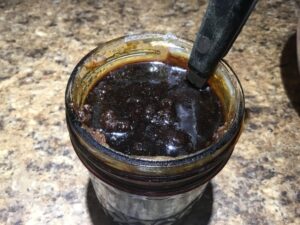
- Save the rest of the sauce. This is now the tare sauce for the ramen.
Japanese Cabbage Rolls

Japanese Cabbage Rolls
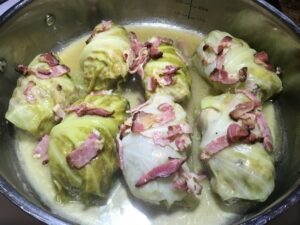
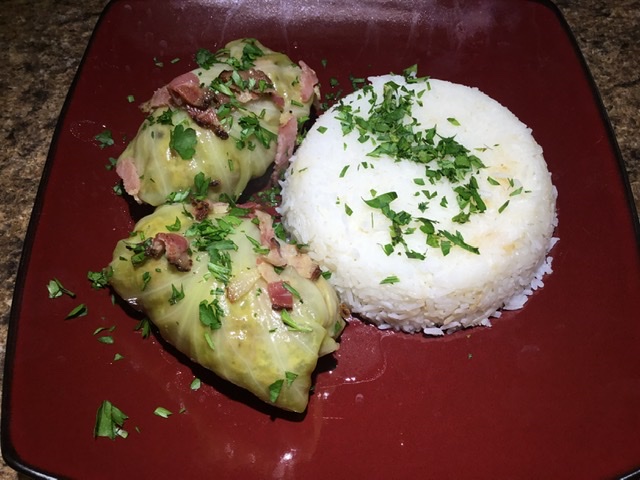
Cabbage rolls are a popular Japanese dish that has been influenced from Western cuisine. Unlike most westernized cabbage rolls that are simmered in a tomato soup base, Japanese cabbage rolls are simmered in chicken stock and topped with pieces of bacon. They can be filled with pork, beef, or a combination of the two. To make the filling, the onions need to be lightly sautéed. This will bring out the sweetness in the onions and add more flavor to the filling. The cabbage leaves will need to be boiled for 3 minutes to soften them for rolling. Place a 1/2 cup of the filling in the cabbage leaf and roll in up. Place them seam side down in a saucepan with the chicken stock and bacon. Simmer for 40 minutes until the stock has reduced by half. Garnish with chopped parsley.
Servings: 4
Ingredients
- 8 large cabbage leaves
- 4 strips bacon chopped
- 1 1/2 cups chicken stock
- salt to taste
Cabbage Roll Filling
- 2 tbsp butter
- 1 large onion finely chopped
- 1 1/2 lbs ground pork
- 1 large egg
- 3 tbsp cornstarch
- 1/4 cup panko breadcrumbs
- 1 tsp nutmeg
- 1 tsp salt
- 1/2 tsp white pepper
Garnish
- parsley chopped
Instructions
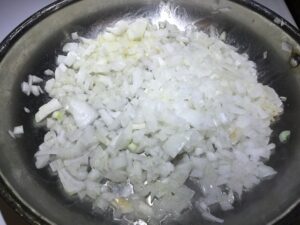
- Melt butter in a sauté pan over medium high heat. Sauté the onions for 5 minutes until translucent. Take off the heat and let cool.
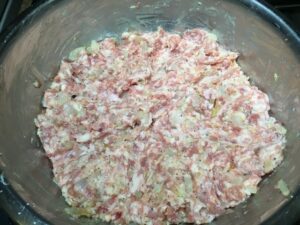
- Mix together all of the filling ingredients. Let rest in the refrigerator until ready for use.
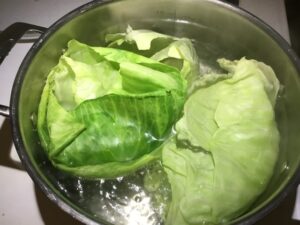
- Bring a pot of water to boil. Boil the cabbage leaves for 3 minutes, just enough to soften them.
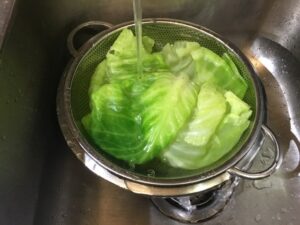
- Shock the leaves in ice water to stop the cooking process.
- When ready to roll, place a cabbage leaf flat on the surface with the rib side facing towards you. Place a 1/2 cup of the filling across the bottom center of the leaf.
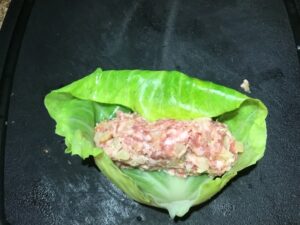
- Fold up the bottom of the leaf over the top of the filling. Fold in the sides and roll it up.
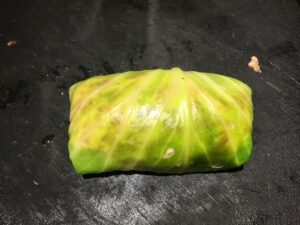
- Place all of the cabbage rolls in a large saucepan. Top the rolls with chopped bacon. Pour in the chicken stock. Bring the stock to a boil. Cover and reduce the heat to medium low.
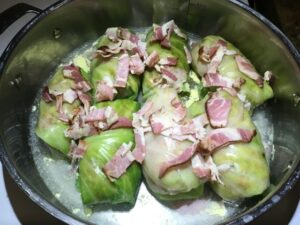
- Simmer the cabbage rolls for 40 minutes until the stock has reduced by half.