Tag: pork
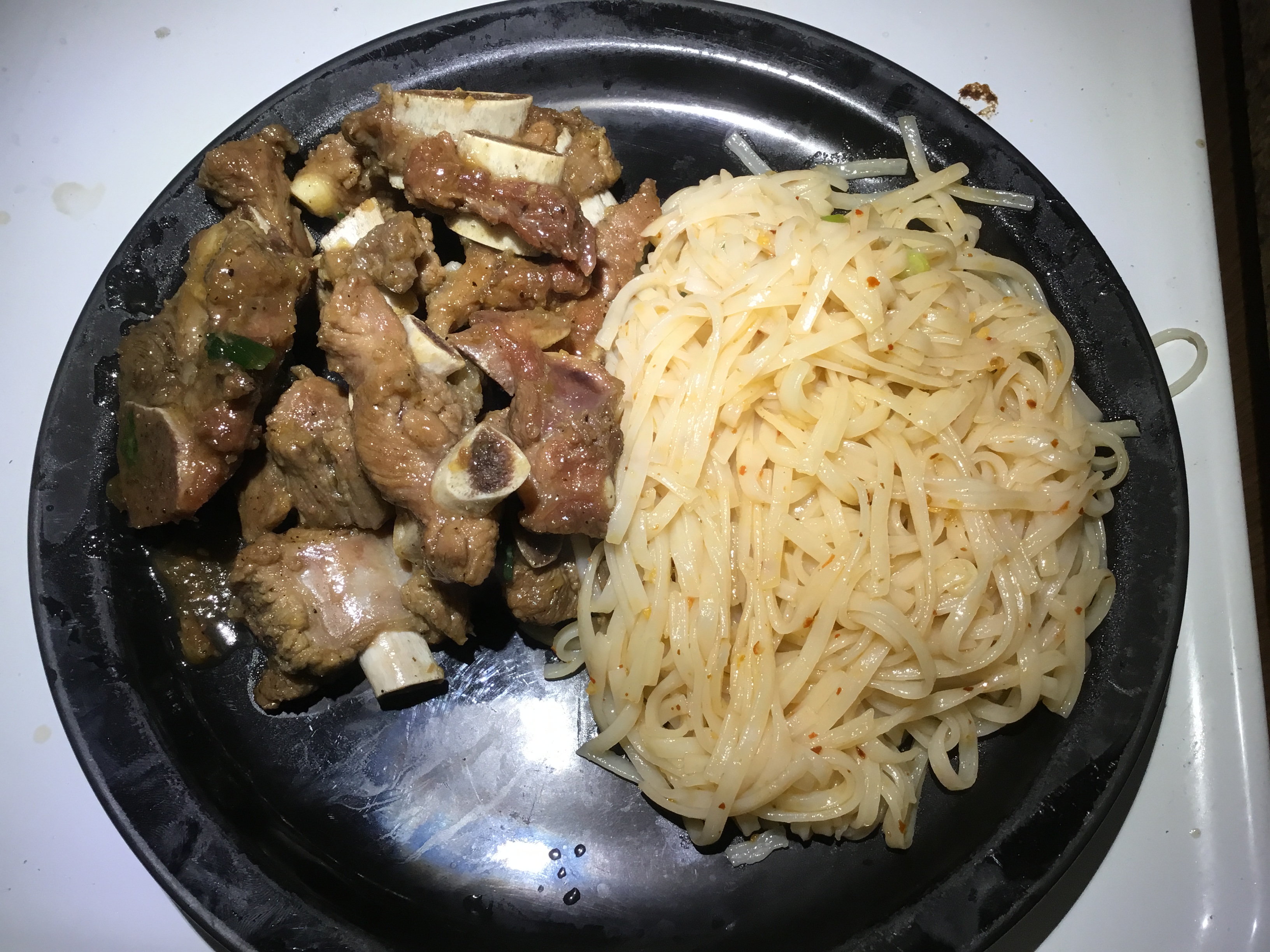
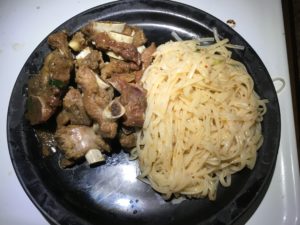
Caramelized Pork Riblets
Caramelized Pork Riblets
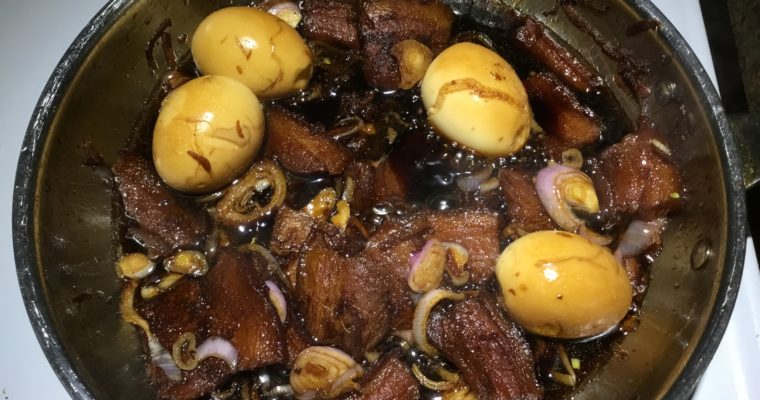
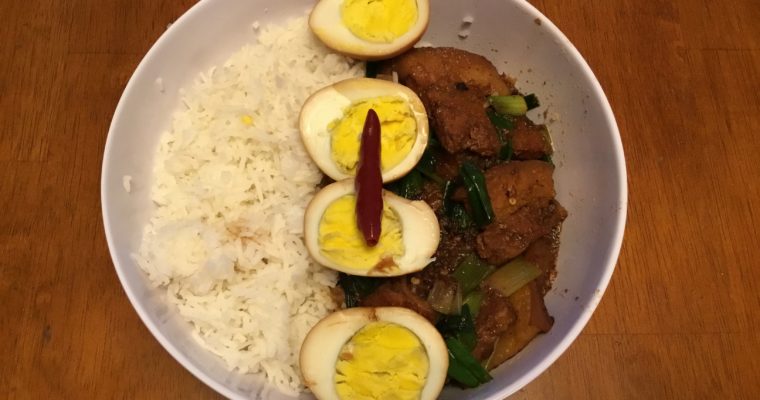
Caramelized pork ribs is a classic Vietnamese dish. It is fairly simple to make. I decided to use pork riblets, since they are $1.99lb. You can use spare ribs or baby back as well. Make sure to cut them in-between the bones to help speed up the cooking process.One of the most important steps in making the ribs is to blanch them for a couple of minutes before marinating. If this step is skipped, your ribs will have a layer of scum film over them. I’ve noticed this step is used in pretty much all Asian cuisine when braising pork ribs. This gives the pork a “cleaner” taste and presentation.
Servings: 2
Ingredients
- 2 lbs pork riblets
- 1 large shallot minced
- 3 garlic cloves minced
- 1 tbsp pork boullion
- 2 tbsp fish sauce
- 1 tsp black pepper
- 3 tbsp sugar
- 1 cup coconut water
- 1 green onion chopped
Instructions
- Cut the pork riblets into individual bite sized pieces in-between the bone.
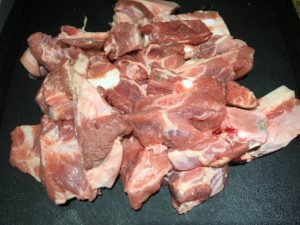
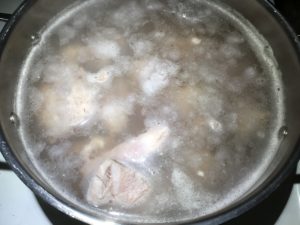
- Place the riblets into a pot of boiling water for 3 minutes. This will allow the scum and other impurities to float to the top.
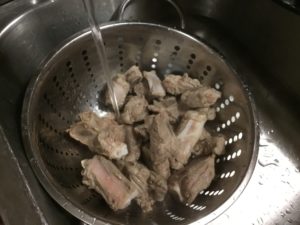
- Drain the riblets and run under cold water, individually washing each riblets of any scum film.
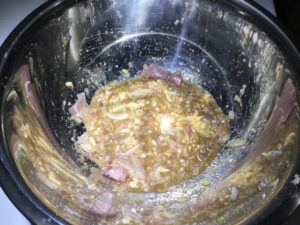
- In a large bowl, mix together the shallots, garlic, pork bouillon, fish sauce, black pepper, and 1 tbsp of sugar.
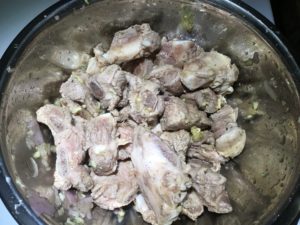
- Add in the riblets, among sure they are evenly coated with the marinade. Marinate for at least 2 hours, preferably overnight.
- In a large sauce pan over medium heat, add 2 tbsp of sugar.
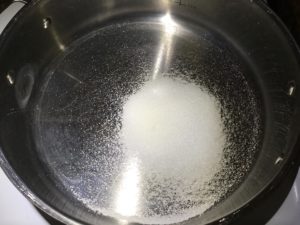
- Constantly stir the sugar until it starts to caramelize. Make sure it doesn’t burn.

- Stir in the marinated riblets with all of the juices and marinade. Add 1 cup of coconut water.
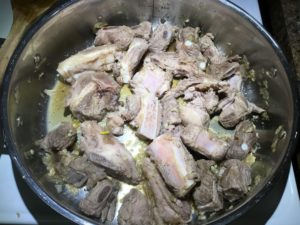
- Bring to a boil. Cover. Reduce the heat to low. Simmer for 30 minutes.
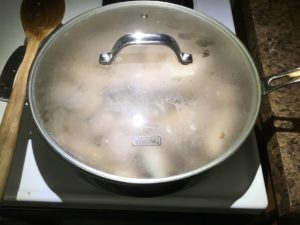
- After the 30 minutes is up, uncover the sauce pan and simmer for at least another 20 minutes, allowing the sauce to thicken. Garnish with green onion.
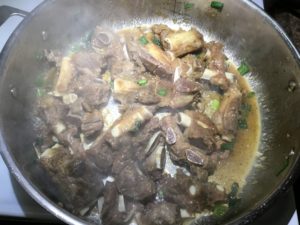
- Enjoy with a side of chili oil stir fried rice noodles.


Pork Riblets in Salsa Verde (Instant Pot)

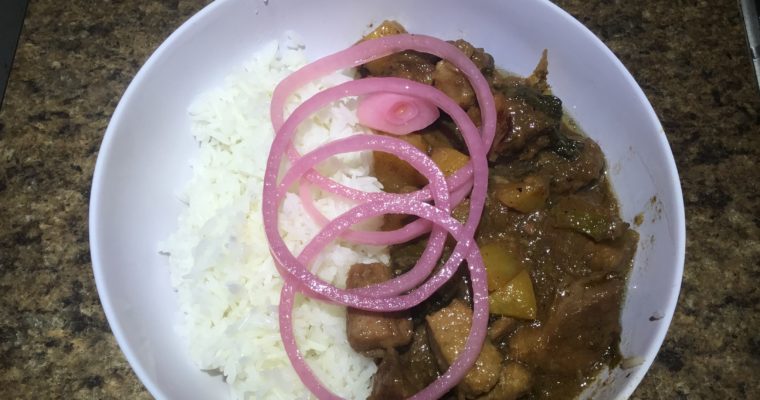
Pork Riblets in Salsa Verde (Instant Pot)
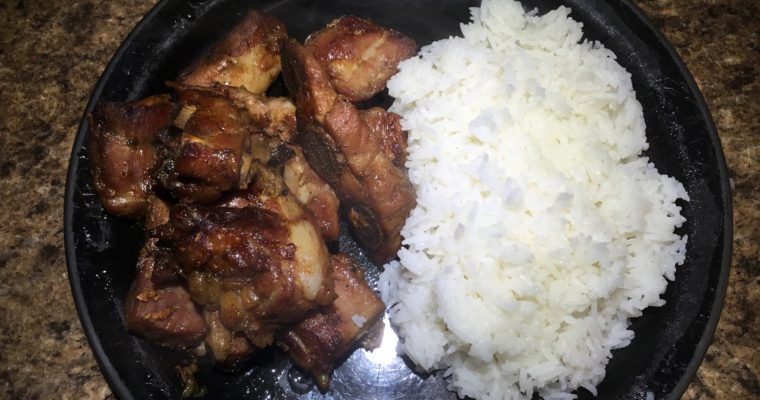
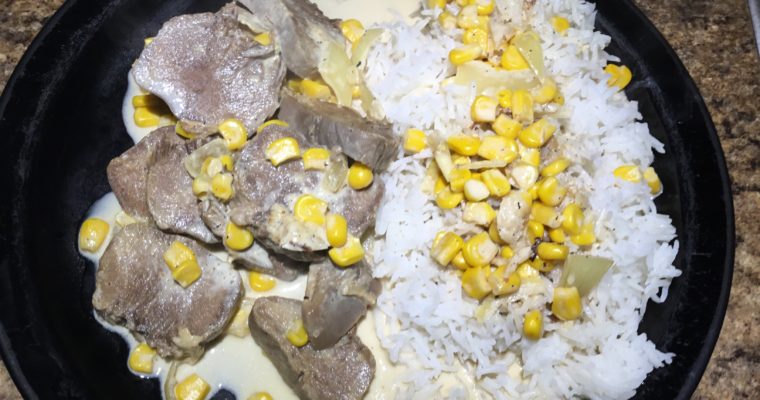
Another great recipe featuring the Instant Pot. Pork riblets in salsa verde is a fairly easy and very inexpensive meal to make in 1 pot. Pork riblets are cut from the baby back and spare ribs. They are sold for $1.99lb at my local asian market. This meal cost less than $10 to make and serves 2-3 people. If you want to use spare ribs or baby backs, please do. They cost a little bit more, but do have more meat on them. I recommend cutting the ribs in-between the bone so you have individual ribs. They also cook a lot faster.If you don’t have a pressure cooker, you can make this in a large sauce pan on the stove top. The ribs will have to simmer covered for at least an hour instead of 30 minutes in a pressure cooker. Either way, it’s a win/win in the end.
Ingredients
- 3 lbs pork riblets, spare ribs, or baby backs
- 6 garlic cloves
- 1/2 medium onion
- 1 tbsp vegetable or canola oil
- 2 cups chicken stock or water
- 2 cups roasted salsa verde
- 1/2 cup pork riblet braising liquid
- 2 tsp black pepper
- 2 tsp salt
Instructions
- Turn your Instant Pot to the sauté setting on high heat. Add 1 tbsp of cooking oil. Cut your ribs into individual bones. Add the ribs, onions, and garlic to the Instant Pot. Cook until browned, 8-10 minutes. Add the chicken stock. Turn the Instant Pot to the pressure cooker setting on high or 30 minutes.
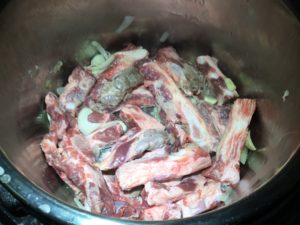
- After 30 minutes, the ribs should be very tender.
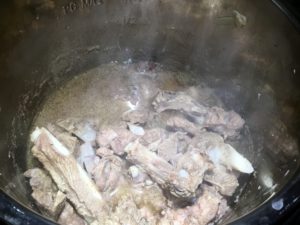
- Drain the riblets of the cooking liquid, saving about a 1/2 cup, Turn the pot back to the sauté function on medium heat.
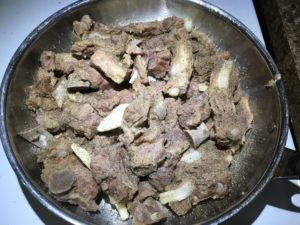
- Add in 2 cups of salsa verde, salt, and pepper.
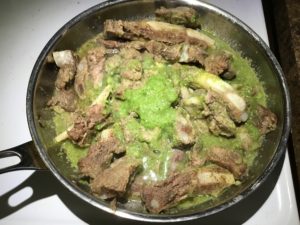
- Simmer for 5 minutes.
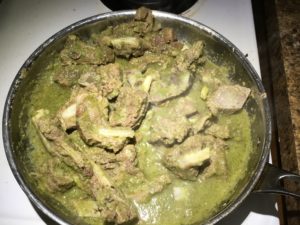
- Try not to eat all 3lbs of ribs at once!
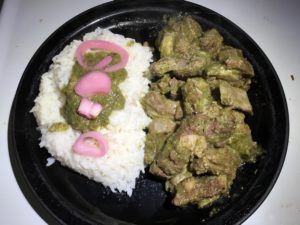
Char Siu (Chinese BBQ Pork)
Char Siu (Chinese BBQ Pork)
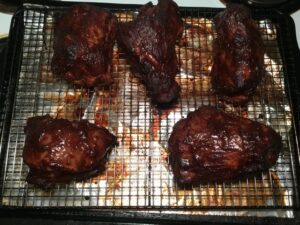
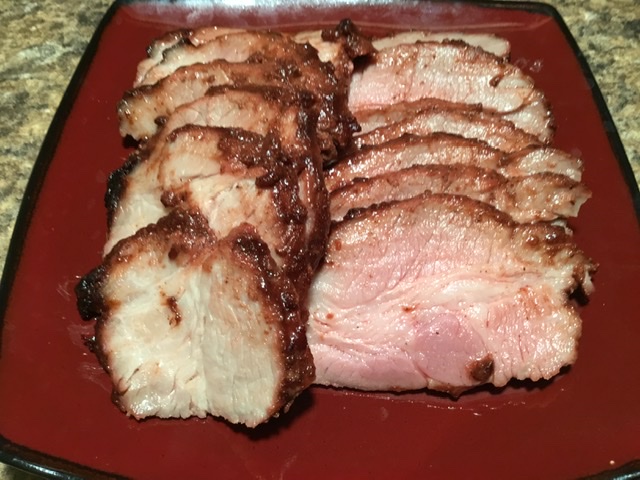
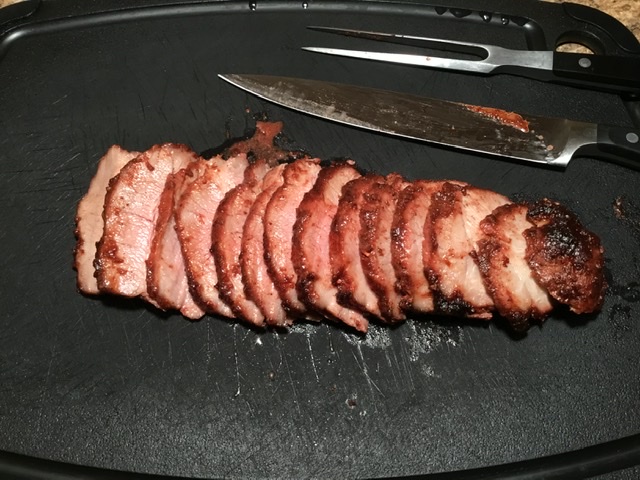
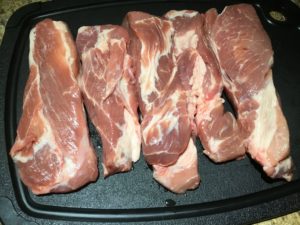
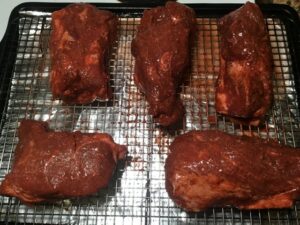
If I was put on death row and asked what the last thing on Earth that I'd like to eat, my final meal, char siu would be on the top of the list. I have loved this bbq pork ever since I was a little kid. My family would order everything with bbq pork in it from the Chinese restaurant that we got take out from. I love this pork so much, I snuck some of the pork in the picture into the movie theatre in a ziplock bag.Char siu is typically made out of pork shoulder. It can be made out of pork sirloin, pork loin, or tenderloin; but they tend to be less juicy than pork shoulder. Fat is a good thing here. You will want a 3lbs. piece of boneless pork shoulder. I purchased a whole bone in shoulder and processed out the coppa roast and the flat iron, If the coppa roast was a beef cut, you'd know it as a chuck eye roast. You don't have to go to this extreme. You can use any part of the shoulder. I just happen to know how to cut these muscles out of the shoulder and use them. Cut the pork shoulder into 2" in diameter chunks with the grain. The char siu gets its color from the red bean curd. If you've ever seen this pork really red, the color will be coming from red food coloring. But I want to avoid food coloring as much as possible. The red color in the bean curd comes from a natural fungus. This pork needs to marinate for at least 3 days.When ready to cook the pork, preheat your oven to 400 degrees. Yes, 400 degrees. Normally when you think of cooking pork shoulder, you cook it low and slow. Not here. It will be tender. Trust me. I was skeptical the first time I tried making this. Roast this for 15 minutes. Pull it out of the oven and brush on the glaze. Roast for 7 minutes. You want to do this for 3 times total. The honey will caramelize the outside while the bean curd juice will give it a nice red color. Once done roasting, let sit for 10-15 minutes before slicing.
Ingredients
- 3 lbs boneless pork shoulder
- 3 tbsp soy sauce
- 3 tbsp hoisin sauce
- 3 red bean curd cubes + 2 tbsp liquid
- 1 1/2 tbsp Chinese 5 spice powder
- 3 tbsp honey
- 3 tbsp Chinese cooking wine
- 3/4 tsp white pepper
- 1 1/2 tsp sesame oil
- 3 garlic cloves minced
Pork Glaze
- 3 tbsp honey
- 1 tbsp red bean curd liquid
- 1 tbsp cooked marinade
Instructions
- Take a 3lb. piece of pork shoulder and cut it into a few long chunks with the grain. Each piece should be around 2″ in diameter. In this picture, I cut out the coppa roast and the flat iron. The coppa roast is the center muscle of the shoulder. If this was beef, you’d know it as a chuck eye roast.
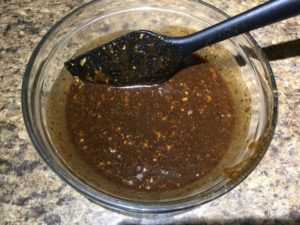
- Mix together the soy sauce, hoisin sauce, red bean curd cubes and liquid, 5 spice powder, honey, cooking, wine, white pepper, sesame, oil, and garlic cloves. Mash the bean curds into a paste. Mix everything thoroughly.
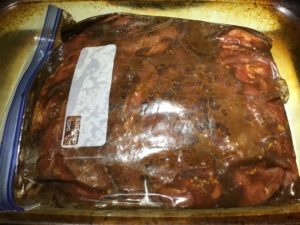
- Add the pork shoulder pieces and the marinade to a gallon sized ziplock bag. Marinate for 72 hours. Turn the bag over every 12 hours.
- Preheat your oven to 400 degrees. Lay the pork shoulder pieces on a rack onto of a foil covered baking sheet. Add a couple cups of water to the baking sheet to prevent smoking. Roast the pork for 15 minutes.
- While the pork is roasting, mix together honey, red bean curd liquid, and some of the marinade. Make sure to cook the marinade in the microwave for a few seconds before mixing in. Now you have your pork glaze.
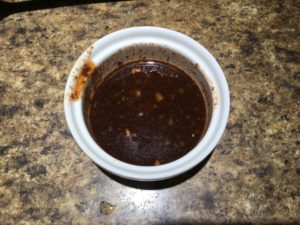
- After the first 15 minutes of roasting, take the pork out of the oven and brush on the pork glaze. Don’t worry about getting the bottom. Put the pork back in the oven and roast for 7 minutes. Repeat this step 2 more times, for a total of 3 glazes.
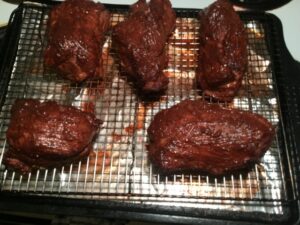
- After the final glazing and roasting, let the pork rest for 10-15 minutes before slicing.