Pork Bulgogi
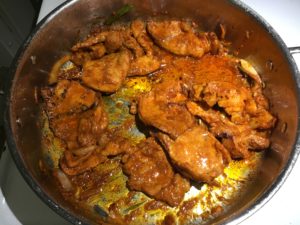
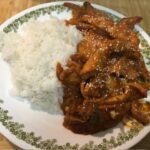
Unlike beef bulgogi, pork bulgogi is spicy. Beef bulgogi is more of a soy based marinade using grated pear for the acidity while pork bulgogi is gochuchang based using grated apple. When selecting the right type of pork, I recommend using a fattier cut. Pork shoulder or sirloin will work the best. If you have to slice the meat yourself. partially freeze the meat first. If you don't, it will be like slicing jello. You want the pork slices to be about an 1/8" thick. There are 2 ways you can cook bulgogi at home. The first would be to grill the pork. Since it's below 0 with 50 mph winds here in MN, I pan seared the pork. You want to make sure to not overcrowd the pan. You don't want the pork to simmer in it's own juices. You want the pork to sear quickly, as if it was being grilled. For this recipe, I ended up cooking the pork in 4 batchesPork bulgogi can be eaten on its own with rice or it can be eaten in a wrap using red or green leaf lettuce with a perilla leaf. Either way, garnish with sesame seeds and green onion.
Servings: 4
Ingredients
- 2 lb thinly sliced pork (shoulder, sirloin, loin)
- 1 small onion sliced
- 3 green onions chopped in 2" pieces
- 2 tbsp sesame oil
Bulgogi marinade
- 6 tbsp gochuchang paste
- 1 tbsp gochugaru pepper flakes
- 3 tbsp light soy sauce
- 3 tbsp rice wine
- 2 tbsp brown sugar
- 1 tbsp honey
- 2 tbsp minced garlic
- 1 tbsp minced ginger
- 1 small apple grated
Instructions
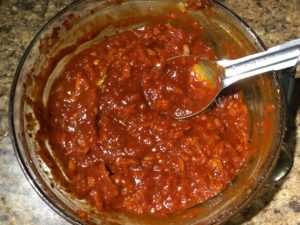
- Mix all marinade ingredients together. Set aside.
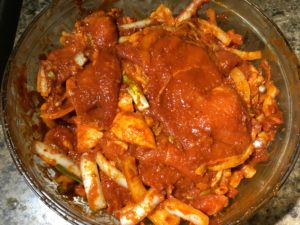
- Thoroughly mix the marinade in with the pork, onion, and green onion. If you have kitchen gloves, I'd recommend mixing this by hand, making sure that both side of the pork are marinated. Let marinate for at least 4 hours, preferably over night.
- In a large sauté pan on medium high heat, add 2 tbsp of sesame oil. Add the pork in batches to the pan, shaking off any excess marinade. You don't want to overcrowd the pan or the pork will simmer in it's own juices instead of searing quickly. Cook for 2 minutes on the first side.
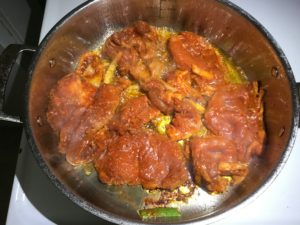
- Flip the meat to the other side. Cook for another 2 minutes.